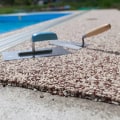
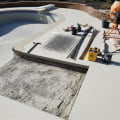
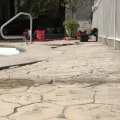
A pool deck serves as the essential surrounding area of your swimming pool, providing not only a functional space for relaxation and recreation but also enhancing the overall aesthetic appeal of your backyard. It acts as a transition zone between the pool and the rest of your outdoor space, making it a critical component for both safety and enjoyment. A well-maintained pool deck can elevate your outdoor experience, offering a safe area for sunbathing, entertaining guests, or simply enjoying a quiet moment by the water. However, the importance of a pool deck extends beyond its visual appeal. Regular pool deck maintenance is crucial to ensure that it remains safe and functional.
Over time, exposure to harsh weather conditions, chemicals from pool water, and general wear and tear can lead to deterioration. Cracks, uneven surfaces, and discoloration are not just unsightly; they can pose serious safety hazards. Understanding when to repair versus when to replace your pool deck is vital for maintaining a safe environment for family and friends. In this article, we will explore the warning signs that indicate whether your pool deck may need to be replaced instead of simply repaired. By recognizing these signs early on, you can make informed decisions that will protect your investment and ensure that your outdoor space remains a safe haven for years to come.
Common Issues with Pool Decks
Pool decks are essential for both safety and aesthetics around your swimming area, but they can encounter a variety of issues over time.Recognizing these common pool deck problems is crucial in determining whether a simple pool deck repair will suffice or if a full replacement is necessary.
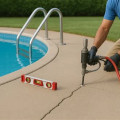
- Cracks and Splits: One of the most prevalent signs of damage is the appearance of cracks. These can range from small hairline fractures to larger splits that compromise the integrity of the deck. If left unaddressed, cracks can worsen, leading to more extensive damage.
- Uneven Surfaces: A pool deck should be level to ensure safety. If you notice areas that are sinking or heaving, it may indicate underlying issues with the foundation or soil erosion.
This unevenness can pose a tripping hazard and may require more than just a repair.
- Discoloration and Staining: Fading colors or persistent stains can detract from the visual appeal of your pool area. While some discoloration can be cleaned, extensive staining may suggest deeper issues with the materials used in your deck.
- Loose or Missing Tiles: For tiled pool decks, loose or missing tiles can be a significant concern. Not only do they affect the look of your deck, but they can also lead to water pooling in unwanted areas, increasing the risk of slips and falls.
- Mold and Mildew Growth: The presence of mold or mildew is not only unsightly but also poses health risks. If your pool deck is consistently damp and shows signs of mold growth, it may indicate poor drainage or ventilation issues that need to be addressed.
In some cases, minor repairs may be sufficient; however, if multiple issues are present or if the damage is extensive, it might be time to consider a complete replacement of your pool deck.
Warning Signs Indicating Replacement is Necessary
When it comes to maintaining your pool area, recognizing the warning signs that indicate a pool deck may need to be replaced is crucial for ensuring safety and aesthetics. Here are some key indicators that suggest a replacement is necessary rather than just a simple pool deck repair.- Severe Cracking: If you notice large cracks that are wider than a quarter-inch, this can indicate structural issues. These cracks can lead to further deterioration and may compromise the integrity of the deck.
- Uneven Surfaces: A pool deck that has become uneven or has settled in certain areas can pose a tripping hazard. This unevenness often results from underlying soil erosion or poor installation, making replacement a safer option.
- Significant Spalling: Spalling refers to the flaking or peeling of the surface layer of concrete.
If spalling is extensive, it may be more cost-effective to replace the entire deck rather than attempting repairs.
- Water Pooling: If water consistently pools in certain areas of your pool deck, it can lead to further damage and mold growth. This issue often indicates poor drainage or structural failure, necessitating a full replacement.
- Rust Stains: Rust stains on your pool deck can indicate that the rebar within the concrete is corroding. This not only affects aesthetics but also weakens the structure, making replacement essential.
- Age of the Deck: If your pool deck is over 20 years old and showing signs of wear, it may be time to consider a replacement. Older decks may not meet current safety standards and can be more prone to damage.
They can provide an assessment and help you determine the best course of action for your specific situation.
Evaluating the Extent of Damage: Repair vs. Replace
When it comes to maintaining your pool area, understanding the condition of your pool deck is crucial. Over time, wear and tear can lead to significant damage, prompting the need for either repair or replacement. Here are some key factors to consider when evaluating the extent of damage:- Cracks and Surface Damage: Small cracks may be repairable, but if you notice large, deep cracks or extensive surface flaking, it could indicate a more serious issue that might necessitate a full replacement.
- Uneven Surfaces: If your pool deck has become uneven or has developed significant dips and rises, this can pose safety hazards.
While minor leveling can be done, severe unevenness often means replacement is the safer option.
- Water Drainage Issues: Proper drainage is essential for any pool deck. If water pools on the surface or drains poorly, it can lead to further damage. Assess whether repairs can fix drainage issues or if a new deck design is needed.
- Mold and Mildew Growth: Persistent mold or mildew can indicate underlying moisture problems. If cleaning does not resolve the issue, it may be time to consider replacing the deck.
- Age of the Deck: Consider how old your pool deck is.
If it’s nearing the end of its expected lifespan (typically 10-20 years depending on materials), replacement might be more cost-effective than ongoing repairs.
Cost Considerations: Repairing vs. Replacing a Pool Deck
When considering pool deck repair versus replacement, understanding the financial implications is crucial.The costs associated with each option can vary significantly based on several factors, including the extent of damage, materials used, and labor costs.
Repair Costs
Repairing a pool deck typically involves patching cracks, resurfacing, or replacing damaged tiles. On average, homeowners can expect to pay between $500 and $2,500 for repairs, depending on the severity of the issues. Here are some common repair costs:- Crack filling: $100 - $300
- Resurfacing: $1,000 - $2,000
- Tile replacement: $15 - $30 per square foot
Replacement Costs
If the damage is extensive or if the pool deck is outdated, replacement may be the more viable option. The cost of replacing a pool deck can range from $3,000 to $10,000 or more.Factors influencing these costs include:
- Material choice: Concrete, pavers, and wood all have different price points.
- Size of the deck: Larger areas will naturally incur higher costs.
- Labor expenses: Hiring experienced contractors can increase overall costs.
Budgeting for Pool Deck Work
When budgeting for either repair or replacement, it’s essential to consider not just the immediate costs but also long-term maintenance. A well-maintained pool deck can enhance your property’s value and provide a safe environment for family and friends. Additionally, setting aside a contingency fund of 10-20% of your total budget can help cover unexpected expenses that may arise during the project.Ultimately, whether you choose to repair or replace your pool deck should depend on a thorough assessment of its condition and your financial situation. Consulting with a professional can provide valuable insights into which option is best suited for your needs.FAQs About Pool Deck Repair and Replacement
When it comes to maintaining your pool area, understanding the signs that indicate whether a pool deck repair or replacement is necessary can save you time and money.Here are some frequently asked questions that can help clarify these concerns:
- What are the common signs that my pool deck needs repair?
Look for cracks, discoloration, or uneven surfaces. If you notice water pooling in certain areas or if the surface feels spongy, these are indicators that repairs may be needed. - How do I know if my pool deck needs to be replaced?
If the damage is extensive, such as large cracks that compromise structural integrity or widespread surface deterioration, it may be more cost-effective to replace the entire deck rather than attempting repairs. - Can I repair my pool deck myself?
While minor repairs can often be handled by homeowners, significant issues should be addressed by professionals. DIY repairs may not hold up over time and could lead to further damage. - What materials are best for pool deck replacement?
Popular options include concrete, pavers, and natural stone. Each material has its own benefits in terms of durability, aesthetics, and maintenance requirements. - How often should I inspect my pool deck?
It’s advisable to inspect your pool deck at least once a year, especially before the swimming season begins.Regular maintenance can help catch issues early.
Conclusion: Making the Right Choice for Your Pool Deck
In conclusion, recognizing the warning signs that indicate whether a pool deck needs to be replaced rather than repaired is crucial for maintaining both safety and aesthetics. Throughout this article, we have discussed several key indicators that can help homeowners make informed decisions regarding their pool deck maintenance. Firstly, cracks and spalling are often the first signs of deterioration. While minor cracks can sometimes be repaired, extensive cracking or spalling may suggest that the integrity of the deck is compromised, warranting a full replacement. Additionally, if you notice significant unevenness or settling, it can lead to safety hazards and should not be ignored. Another important factor to consider is the age of your pool deck.If your deck is nearing the end of its expected lifespan, it may be more cost-effective in the long run to invest in a new deck rather than continually repairing an old one. Furthermore, if you find that repairs are becoming more frequent and costly, this could indicate that replacement is the more sensible option. Lastly, always keep an eye on mold and slippery surfaces. These issues not only affect the appearance of your pool area but also pose serious safety risks. If cleaning and sealing no longer resolve these problems, it may be time to consider a new deck. By being vigilant about these warning signs, homeowners can ensure their pool area remains safe, functional, and visually appealing.
Making the right choice between repair and replacement can save time, money, and potential accidents in the future.