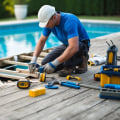
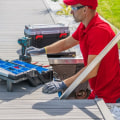
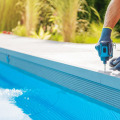
When embarking on a pool deck repair project, the significance of safety cannot be overstated. The combination of heavy materials, power tools, and the potential for slips and falls creates an environment where accidents can easily occur. Prioritizing safety measures not only protects those involved in the repair but also ensures that the project proceeds smoothly and efficiently. Understanding the risks associated with pool deck repair is the first step in creating a safe working environment. In addition to safeguarding individuals, implementing proper safety protocols can prevent costly delays and damage to the property.
For instance, ensuring that the work area is clearly marked and free from unnecessary clutter can significantly reduce the likelihood of accidents. Furthermore, using appropriate personal protective equipment (PPE) such as gloves, goggles, and sturdy footwear is essential in minimizing injuries during the repair process. Moreover, being aware of environmental factors such as weather conditions can also play a crucial role in maintaining safety during a pool deck repair. Wet surfaces can lead to slips, while extreme heat can cause fatigue and dehydration among workers. By taking these precautions seriously, you not only protect yourself and your team but also enhance the overall quality of the repair work being done.
Preparing the Work Area for Pool Deck Repair
Before embarking on a pool deck repair project, it is crucial to properly prepare the work area to ensure safety and efficiency.Here are some essential steps to follow:
- Clear the Area: Begin by removing any furniture, plants, or decorations from the pool deck. This not only provides a clear workspace but also prevents damage to your belongings during the repair process.
- Inspect for Hazards: Look for any potential hazards in the area, such as loose tiles, sharp objects, or uneven surfaces. Mark these hazards clearly with cones or tape to alert anyone working nearby.
- Ensure Proper Lighting: Good visibility is key during any repair project. If you are working in an area with inadequate natural light, consider using portable work lights to illuminate the space.
- Access to Tools and Materials: Organize your tools and materials in a way that allows for easy access.
Keep everything you need within arm's reach to minimize movement and reduce the risk of accidents.
- Establish a Safe Perimeter: If children or pets are around, establish a safe perimeter around the work area. Use barriers or caution tape to keep them at a safe distance from the repair site.
Essential Personal Protective Equipment (PPE) for Pool Deck Repair
When undertaking a pool deck repair project, ensuring safety is paramount. One of the most effective ways to protect yourself and your team is by utilizing appropriate personal protective equipment (PPE). Here are some essential items to consider:- Gloves: Durable gloves are crucial for protecting your hands from sharp tools, rough surfaces, and harmful chemicals.
Look for gloves that offer both grip and flexibility to maintain dexterity while working.
- Safety Goggles: Eye protection is vital when working with power tools or materials that may produce dust and debris. Safety goggles shield your eyes from potential hazards, ensuring you can work without the risk of injury.
- Hard Hats: If your pool deck repair involves overhead work or if there’s a risk of falling objects, wearing a hard hat is essential. This piece of equipment can prevent serious head injuries.
- Dust Masks or Respirators: During the repair process, you may encounter dust, fumes, or other airborne particles. A dust mask or respirator can help filter out harmful substances, protecting your lungs and overall health.
- Steel-Toed Boots: Foot protection is often overlooked but is critical in construction environments.
Steel-toed boots can protect your feet from heavy objects and provide better traction on slippery surfaces.
Common Hazards to Watch Out For During Pool Deck Repair
When undertaking a pool deck repair project, it is crucial to be aware of the common hazards that can arise. Understanding these risks not only helps in ensuring safety but also contributes to a smoother repair process. One of the most prevalent hazards during pool deck repair is the risk of slips, trips, and falls.The combination of wet surfaces, tools scattered around, and uneven ground can create dangerous conditions. To mitigate these risks:
- Keep the area organized: Ensure that tools and materials are stored safely and out of walkways.
- Use non-slip footwear: Wearing shoes with good traction can significantly reduce the chances of slipping.
- Mark hazardous areas: Use cones or warning signs to alert workers and visitors to potential dangers.
- Wear protective gear: Always use gloves, goggles, and masks when working with chemicals.
- Ensure proper ventilation: If working indoors or in a confined space, make sure there is adequate airflow to disperse fumes.
To prevent accidents:
- Use GFCI outlets: Ground Fault Circuit Interrupter outlets can help prevent electrical shocks.
- Avoid using electrical tools in wet conditions: Always check the weather and avoid working during rain or when surfaces are wet.
Safe Use of Tools and Equipment in Pool Deck Repair
When undertaking a pool deck repair project, the safe use of tools and equipment is paramount to ensure not only the quality of the work but also the safety of everyone involved. Proper handling and operation of both power tools and hand tools can significantly reduce the risk of accidents.1.Personal Protective Equipment (PPE)
- Safety goggles: Protect your eyes from debris and dust.
- Gloves: Use durable gloves to prevent cuts and abrasions.
- Ear protection: If using loud power tools, wear earplugs or earmuffs.
- Dust masks: Protect your lungs from inhaling harmful particles.
2.Tool Inspection and Maintenance
Before starting any pool deck repair, inspect all tools for damage or wear. Ensure that:
- Power cords are intact and free from frays.
- Blades and bits are sharp and properly installed.
- Hand tools are clean and in good working condition.
3.Safe Operation Practices
When using power tools, follow these best practices:
- Read the manual: Familiarize yourself with the tool's operation before use.
- Keep your workspace organized: A clutter-free area reduces the risk of tripping or accidents.
- Avoid distractions: Stay focused on the task at hand to prevent mishaps.
- Use tools for their intended purpose: Misusing tools can lead to injuries or tool damage.
4.Electrical Safety
If your pool deck repair involves electrical tools, ensure that:
- You work in a dry area to prevent electric shock.
- You use Ground Fault Circuit Interrupters (GFCIs) to enhance safety.
Remember, taking the time to prioritize safety will lead to a more successful project outcome.
Working with Chemicals: Safety Precautions for Pool Deck Repair
When undertaking a pool deck repair project, the use of chemicals such as sealants, adhesives, and cleaning agents is often necessary. However, these substances can pose health risks if not handled properly. Here are some essential safety precautions to consider:- Read Labels and Safety Data Sheets (SDS): Before using any chemical, thoroughly read the label and the SDS. These documents provide crucial information about the chemical's hazards, safe handling practices, and first aid measures.
- Wear Personal Protective Equipment (PPE): Always wear appropriate PPE, including gloves, goggles, and masks.
This gear protects you from skin contact, eye exposure, and inhalation of harmful fumes.
- Ensure Proper Ventilation: When working with volatile chemicals, ensure that the area is well-ventilated. Open windows and doors or use fans to circulate air and reduce the concentration of fumes.
- Store Chemicals Safely: Store all chemicals in their original containers with labels intact. Keep them in a cool, dry place away from direct sunlight and out of reach of children and pets.
- Dispose of Chemicals Responsibly: Follow local regulations for disposing of unused or expired chemicals. Never pour them down the drain or throw them in regular trash; instead, take them to a designated hazardous waste disposal site.
Remember that safety should always be your top priority when handling any materials that could potentially harm you or others.
Emergency Preparedness During Pool Deck Repair Projects
When undertaking a pool deck repair project, it is crucial to have a comprehensive emergency preparedness plan in place. This ensures that you and your team can respond effectively to any unexpected situations that may arise during the repair process.1.Assemble a First Aid Kit
- Ensure that your first aid kit is stocked with essential supplies such as band-aids, antiseptic wipes, gauze, and adhesive tape.
- Include items for specific injuries that may occur during construction, such as splints for fractures or burn cream for minor burns.
- Regularly check the kit to replace any expired items and ensure it is easily accessible on-site.
2.Create an Emergency Contact List
- Compile a list of emergency contacts, including local hospitals, poison control centers, and emergency services.
- Share this list with all team members and ensure they know how to access it quickly in case of an emergency.
- Designate a point person who will be responsible for contacting emergency services if needed.
3.Develop an Evacuation Plan
- Map out clear evacuation routes from the pool area and ensure all workers are familiar with them.
- Conduct a safety drill before starting the project to practice the evacuation plan and identify any potential issues.
- Post evacuation maps in visible areas around the worksite to remind everyone of the procedures.
4.Train Your Team
- Provide training on how to handle common emergencies related to construction work, such as falls or equipment malfunctions.
- Encourage open communication among team members about safety concerns and potential hazards during the repair process.
FAQs About Safety Precautions in Pool Deck Repair
When undertaking a pool deck repair project, safety should be a top priority. Here are some frequently asked questions regarding safety precautions that can help ensure a secure and efficient repair process.What personal protective equipment (PPE) should I wear during pool deck repairs?
It is essential to wear appropriate personal protective equipment (PPE) to minimize the risk of injury. Recommended PPE includes:- Safety goggles: Protect your eyes from dust and debris.
- Gloves: Use heavy-duty gloves to shield your hands from sharp tools and materials.
- Dust mask or respirator: Prevent inhalation of harmful particles, especially when sanding or using chemicals.
- Steel-toed boots: Protect your feet from heavy objects that may fall.
How can I ensure the area is safe for work?
Before starting your pool deck repair, it’s crucial to prepare the work area:- Clear the area: Remove any furniture, toys, or obstacles that could pose a tripping hazard.
- Mark boundaries: Use cones or tape to delineate the work zone, keeping children and pets away.
- Check for electrical hazards: Ensure that all electrical outlets and equipment are safe and dry before beginning work.
What should I do in case of an emergency?
No matter how careful you are, accidents can happen.Be prepared by:
- Having a first aid kit: Keep a well-stocked first aid kit nearby for minor injuries.
- Knowing emergency contacts: Have the contact information for local emergency services readily available.
- Establishing a plan: Discuss with your team what to do in case of an accident or injury.
Conclusion: Key Takeaways for Safe Pool Deck Repair Projects
In conclusion, ensuring safety during a pool deck repair project is paramount for both the workers and the homeowners involved. By adhering to the safety precautions outlined throughout this article, you can significantly reduce the risk of accidents and injuries.Key Safety Precautions
- Personal Protective Equipment (PPE): Always wear appropriate PPE, including gloves, goggles, and sturdy footwear, to protect against potential hazards.
- Proper Tools and Equipment: Utilize the right tools for the job and ensure they are in good working condition to prevent malfunctions that could lead to injuries.
- Clear Work Area: Maintain a clean and organized workspace to minimize tripping hazards and ensure easy access to tools and materials.
- Weather Considerations: Monitor weather conditions closely. Avoid working in wet or windy conditions that could compromise safety.
- Electrical Safety: If your pool deck repair involves electrical components, ensure all power sources are turned off before beginning work.
Remember that taking the time to plan and prepare for safety can lead to a successful outcome, allowing you to enjoy your pool area without worry.