When it comes to pool deck repair, understanding the impact of weather conditions is crucial for achieving lasting results. Many homeowners may wonder if repairs can be effectively carried out during colder months or if they should wait for warmer temperatures. The truth is, the temperature and overall weather conditions play a significant role in the materials used and the techniques employed during the repair process. Cold weather can pose unique challenges for pool deck repair. For instance, certain materials, such as concrete and sealants, may not cure properly in low temperatures, leading to compromised structural integrity and aesthetic issues.
Additionally, moisture from rain or snow can further complicate repairs, making it essential to consider the timing and conditions before proceeding with any work. In this article, we will explore the nuances of cold weather repairs, discussing what can be done to ensure successful outcomes even when temperatures drop. By understanding these factors, homeowners can make informed decisions about their pool deck maintenance and repairs, ensuring their outdoor spaces remain safe and visually appealing year-round.
The Importance of Weather in Pool Deck Repair
When it comes to pool deck repair, the impact of weather cannot be overstated. Temperature plays a crucial role in determining the effectiveness and longevity of the repair materials used. Cold weather can significantly hinder the curing process of concrete and other repair compounds, leading to subpar results.In colder temperatures, many materials, such as concrete and sealants, may not adhere properly or cure as intended.This can result in:
- Cracking: If the temperature drops too low, the materials may not set correctly, leading to cracks that can compromise the integrity of the pool deck.
- Weak Bonding: Cold conditions can prevent proper bonding between layers of repair material, which is essential for a durable finish.
- Extended Curing Times: Repair materials often require longer curing times in cooler weather, delaying the completion of the project and potentially exposing the area to damage from water or freeze-thaw cycles.
- Faster Curing: Materials cure more quickly and effectively, allowing for a stronger and more resilient surface.
- Improved Workability: Warmer temperatures make it easier to mix and apply repair compounds, resulting in a smoother finish.
- Reduced Risk of Damage: A properly cured pool deck is less susceptible to damage from environmental factors.
Can Pool Deck Repairs Be Done in Cold Weather?
When it comes to pool deck repair, many homeowners wonder if these repairs can be effectively carried out during the colder months.While it is technically possible to perform repairs in cold weather, several factors must be considered to ensure the longevity and quality of the work.
Challenges of Cold Weather Repairs
- Temperature Sensitivity: Many materials used in pool deck repairs, such as concrete and sealants, have specific temperature ranges for optimal application. Cold temperatures can hinder the curing process, leading to weaker bonds and potential cracking.
- Moisture Issues: Winter weather often brings increased moisture levels, which can affect the adhesion of repair materials. If the surface is wet or if there is snow or ice present, it may not be safe or effective to proceed with repairs.
- Workability: Cold weather can make it difficult for contractors to work efficiently. Tools and materials may not perform as expected, leading to longer project times and increased costs.
Considerations for Homeowners
- Timing: If you are considering repairing pool decks in winter, it’s crucial to choose a period when temperatures are consistently above freezing.
Ideally, aim for days when temperatures are forecasted to be mild.
- Material Selection: Some products are specifically designed for cold-weather applications. Consult with your contractor about using these materials to ensure a successful repair.
- Professional Assessment: It’s advisable to have a professional assess the condition of your pool deck before proceeding with repairs in cold weather. They can provide insights on whether immediate repairs are necessary or if it’s better to wait for warmer conditions.
Best Practices for Cold Weather Pool Deck Repairs
Repairing a pool deck in colder weather can be challenging, but with the right techniques and materials, it is entirely feasible.Here are some best practices to ensure your repairs are effective and long-lasting.
Choose the Right Materials
When repairing a pool deck in winter, it’s crucial to select materials that are specifically designed for cold weather applications. Look for:- Cold-weather concrete mix: These mixes are formulated to cure properly at lower temperatures, ensuring a strong bond.
- Adhesives and sealants: Use products that are rated for low temperatures to prevent issues with adhesion.
- Heated curing blankets: These can help maintain optimal temperatures for curing concrete and other materials.
Timing is Key
Plan your repairs during the warmest part of the day, ideally when temperatures are above 40°F (4°C). This will help the materials cure more effectively. If possible, avoid repairs during extreme cold spells or when snow and ice are present.Preparation is Essential
Before starting any repair work, ensure that the surface of the pool deck is clean and free from ice or snow.Use a pressure washer or a broom to remove debris. If there’s frost, allow it to melt before proceeding.
Utilize Proper Techniques
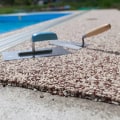
When applying new concrete or patching existing areas, use a trowel to ensure an even application. For cracks, consider using a polyurethane sealant, which remains flexible and can accommodate temperature fluctuations without cracking.Monitor Weather Conditions
Keep an eye on the weather forecast. If temperatures are expected to drop significantly after your repair, consider using curing compounds that help retain moisture and warmth in the newly applied material.By following these best practices for cold weather pool deck repair, you can achieve durable results that withstand the elements while ensuring your pool area remains safe and attractive throughout the winter months.When is the Best Time for Pool Deck Repairs?
When considering pool deck repair, timing is crucial.The ideal conditions for repairs often depend on the weather, particularly temperature and humidity levels. Generally, warmer temperatures are more favorable for effective repairs, but understanding the implications of colder weather is equally important.
Warm Weather Advantages
- Optimal Curing Conditions: Most repair materials, such as concrete and sealants, cure best in temperatures between 50°F and 90°F. This range allows for proper adhesion and strength development.
- Reduced Risk of Damage: Warmer weather minimizes the risk of freeze-thaw cycles that can compromise newly repaired surfaces.
- Longer Working Hours: Longer daylight hours in warmer months provide more time to complete repairs without the pressure of fading light.
Challenges of Cold Weather Repairs
- Temperature Sensitivity: Many repair materials can become less effective or even fail to set properly in temperatures below 50°F. This can lead to weak spots and premature deterioration.
- Increased Moisture Risks: Cold weather often brings higher humidity levels or precipitation, which can interfere with the curing process and lead to surface imperfections.
- Safety Concerns: Icy conditions can make working on a pool deck hazardous, increasing the risk of slips and falls during repairs.
Conclusion
While it is possible to conduct pool deck repairs in colder weather, it is generally advisable to wait for warmer temperatures whenever possible.
If repairs must be done in cooler conditions, consider using specialized materials designed for low-temperature applications and ensure that all safety precautions are taken. Ultimately, planning your repairs during the warmer months will yield better results and prolong the life of your pool deck.
Common FAQs About Pool Deck Repair and Weather Conditions
When it comes to pool deck repair, many homeowners have questions about how weather conditions can affect the process. Here are some common FAQs that can help clarify these concerns:- Can I repair my pool deck in colder weather? Yes, it is possible to perform pool deck repairs in colder weather, but there are important considerations. Cold temperatures can affect the curing time of materials like concrete and sealants, potentially leading to weaker bonds and a less durable finish.
- What temperature is too cold for pool deck repair? Generally, temperatures below 50°F (10°C) can hinder the effectiveness of repair materials.
It's advisable to check the manufacturer's recommendations for specific products, as some may require warmer conditions to cure properly.
- How does moisture impact pool deck repairs? Moisture can be a significant factor in pool deck repair. If the ground is frozen or if there is snow or ice present, it can complicate the repair process. Ideally, repairs should be done when the surface is dry and free from frost.
- Should I wait for warmer weather? If possible, waiting for warmer weather can lead to better results. Temperatures between 50°F and 90°F (10°C to 32°C) are generally ideal for most pool deck repair materials, ensuring proper adhesion and curing.
Always consult with a professional if you're unsure about the best timing for your repairs.
Conclusion: Key Takeaways on Pool Deck Repair and Weather Impact
In conclusion, understanding the impact of weather on pool deck repair is crucial for ensuring a successful and long-lasting outcome. While it may be tempting to proceed with repairs during colder months, several factors must be considered.Key Takeaways:- Temperature Sensitivity: Many repair materials, such as concrete and sealants, have specific temperature ranges for optimal curing. Cold weather can slow down the curing process, leading to weaker bonds and potential future issues.
- Moisture Concerns: Cold weather often brings increased moisture levels, which can affect the integrity of repair materials. Ice formation can also lead to cracking and other damage if repairs are not done correctly.
- Timing is Everything: If possible, plan your pool deck repair during warmer months when temperatures are consistently above the recommended thresholds for your chosen materials.
This will help ensure that the repairs set properly and last longer.
- Consult Professionals: If repairs are necessary during colder weather, it’s advisable to consult with professionals who have experience in winter repairs. They can provide insights on the best practices and materials suited for low temperatures.