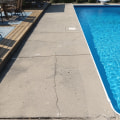
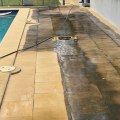
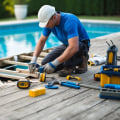
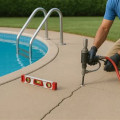
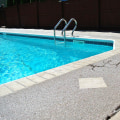
When it comes to maintaining a safe and aesthetically pleasing outdoor space, pool deck repair is a crucial aspect that often goes overlooked. A well-maintained pool deck not only enhances the overall appearance of your pool area but also ensures the safety of those who use it. Over time, exposure to harsh weather conditions, chemicals, and regular wear and tear can lead to cracks, uneven surfaces, and other issues that compromise the integrity of your pool deck. Understanding pool deck repair involves recognizing the common problems that can arise, such as water pooling, which can create hazardous conditions and lead to further damage if not addressed promptly. Water pooling not only detracts from the visual appeal of your pool area but can also promote mold growth and structural deterioration.
Therefore, it is essential to grasp the importance of timely repairs and preventative measures to maintain a functional and inviting pool deck. In this article, we will explore various strategies to prevent water from pooling on a repaired pool deck, ensuring that your outdoor oasis remains both beautiful and safe for family and friends. By understanding the significance of pool deck repair, you can take proactive steps to protect your investment and enjoy your pool area for years to come.
Common Causes of Water Pooling on Pool Decks
Understanding the common causes of water pooling on pool decks is essential for effective pool deck repair and maintenance. Several factors can contribute to this issue, and recognizing them can help homeowners take proactive measures.- Improper Drainage: One of the primary reasons for water pooling is inadequate drainage systems. If the deck is not sloped correctly, water will accumulate instead of flowing away.
Ensuring that the deck has a slight slope towards drainage points can significantly reduce pooling.
- Surface Imperfections: Cracks, uneven surfaces, or worn-out materials can create pockets where water collects. Regular inspections and timely repairs are crucial to maintaining a smooth surface that allows for proper water runoff.
- Environmental Influences: Natural elements such as heavy rainfall or snow can exacerbate pooling issues. In regions with frequent precipitation, it’s vital to consider how weather patterns affect your pool deck and implement appropriate drainage solutions.
- Debris Accumulation: Leaves, dirt, and other debris can block drainage channels, leading to water buildup. Regular cleaning and maintenance of the pool deck area are necessary to prevent this from happening.
Whether through enhancing drainage systems or addressing surface imperfections, understanding these factors is key to ensuring a safe and functional pool deck.
Designing an Effective Drainage System
Designing an effective drainage system around your pool deck is crucial for preventing water pooling, which can lead to further damage and safety hazards. Here are some key considerations and solutions to implement:- Evaluate the Landscape: Before installing any drainage system, assess the surrounding landscape. Identify natural slopes and low spots where water tends to accumulate. This will help you determine the best drainage solutions.
- Install a French Drain: A French drain is a popular choice for managing excess water.
It consists of a trench filled with gravel and a perforated pipe that redirects water away from the pool deck. This system is effective in preventing water from pooling by allowing it to flow freely.
- Use Surface Drains: Surface drains, or catch basins, can be strategically placed around the pool deck to collect rainwater and direct it away from the area. These drains are particularly useful in flat areas where water tends to sit.
- Consider Slope Adjustments: If your pool deck is flat, consider regrading the area to create a slight slope away from the pool. A slope of at least 1% can significantly improve drainage and reduce water accumulation.
- Incorporate Permeable Pavers: If you are considering resurfacing your pool deck, opt for permeable pavers.
These allow water to seep through, reducing runoff and minimizing pooling on the surface.
Choosing the Right Materials for Your Pool Deck
When it comes to pool deck repair, selecting the right materials is crucial not only for aesthetics but also for functionality, particularly in preventing water pooling. Here are some of the best materials to consider:- Concrete: A popular choice due to its durability and versatility. When properly sloped, concrete can effectively channel water away from the pool area.
However, it can be prone to cracking if not maintained.
- Pavers: These interlocking stones allow for excellent drainage due to the gaps between them. They come in various styles and colors, making them a visually appealing option. Regular maintenance is required to keep the joints filled with sand to prevent weed growth.
- Wood Decking: While wood provides a warm, natural look, it requires regular sealing and maintenance to prevent water damage. Proper installation with a slight slope can help direct water away from the pool.
- Composite Materials: Made from a blend of wood fibers and plastic, composite decking is resistant to moisture and does not splinter.
It offers good drainage when installed correctly but may be more expensive than traditional wood.
- Rubber Decking: This material is slip-resistant and provides excellent drainage. It’s also softer underfoot, making it a comfortable option for poolside lounging. However, it may not have the same aesthetic appeal as other materials.
On the other hand, composite materials provide low maintenance but can be costly upfront. Ultimately, the choice of material should align with your budget, aesthetic preferences, and maintenance willingness.
Proper Installation Techniques for Pool Deck Repair
When it comes to pool deck repair, proper installation techniques are crucial to prevent water from pooling on the surface. A well-installed pool deck not only enhances the aesthetic appeal of your outdoor space but also ensures safety and longevity. Here are some best practices to consider:- Ensure Proper Slope: One of the most important aspects of pool deck installation is achieving the correct slope.
The surface should be sloped away from the pool to facilitate drainage. A slope of at least 1% (or 1/8 inch per foot) is recommended to ensure that water flows away from the pool area.
- Use Quality Materials: Selecting high-quality materials for your pool deck repair can significantly impact its performance. Materials that are designed for outdoor use, such as concrete or pavers, are less likely to crack or settle unevenly, which can lead to pooling.
- Professional Installation: While DIY projects can be rewarding, hiring a professional for pool deck installation can save you time and ensure that the job is done correctly. Professionals have the experience and tools necessary to create a proper slope and install materials effectively.
- Consider Drainage Solutions: In addition to slope, incorporating drainage solutions such as channel drains or French drains can help manage water runoff.
These systems can be integrated into the design of your pool deck to further reduce the risk of water pooling.
Regular Maintenance Tips to Prevent Water Pooling
To ensure your pool deck repair remains effective and prevents water from pooling, regular maintenance is essential. Here are some practical tips to keep your pool deck in optimal condition:- Inspect Regularly: Conduct routine inspections of your pool deck for any signs of damage or wear. Look for cracks, uneven surfaces, or areas where water tends to collect.
- Clean Debris: Regularly remove leaves, dirt, and other debris from the surface of the pool deck.
This helps maintain proper drainage and prevents blockages that can lead to water pooling.
- Check Drainage Systems: Ensure that the drainage systems around your pool deck are functioning correctly. Clear any clogs in drains or gutters to facilitate proper water flow away from the deck.
- Seal Cracks Promptly: If you notice any cracks or gaps in your repaired pool deck, seal them immediately. This not only prevents water from seeping in but also protects the integrity of the repair.
- Consider Resurfacing: If your pool deck shows significant wear over time, consider resurfacing it. A new surface can improve drainage and enhance the overall appearance of your pool area.
Consistent upkeep not only prolongs the life of your repairs but also enhances safety and enjoyment for all who use the space.
FAQs About Preventing Water Pooling on Pool Decks
When it comes to preventing water pooling on a repaired pool deck, several common questions arise. Here are some frequently asked questions that can help clarify your concerns:What causes water pooling on a pool deck?
Water pooling typically occurs due to improper drainage, uneven surfaces, or inadequate slope in the deck design. If the surface is not sloped away from the pool, rainwater or splashes can accumulate, leading to potential damage.How can I ensure proper drainage after a pool deck repair?
- Install drainage systems: Consider adding drains or channels that direct water away from the pool area.
- Check the slope: Ensure that your pool deck has a slight slope (1-2%) away from the pool to facilitate water runoff.
- Use permeable materials: Opt for permeable pavers or concrete that allows water to seep through rather than pooling on the surface.
What maintenance practices can help prevent water pooling?
- Regular cleaning: Keep the deck free of debris, leaves, and dirt that can block drainage paths.
- Inspect for cracks: Regularly check for and repair any cracks or damage that could disrupt the surface's integrity.
- Sealant application: Apply a high-quality sealant to protect the surface and enhance its water resistance.
Are there specific products designed to prevent water pooling?
Yes, there are various products available, such as drainage mats, which can be installed beneath the deck surface to improve water flow. Additionally, specialized sealants can help create a waterproof barrier that minimizes pooling.If you have further questions about your specific situation, consulting with a professional experienced in pool deck repair can provide tailored solutions to effectively manage water pooling issues.Conclusion: Key Takeaways for a Dry Pool Deck
In conclusion, ensuring a dry and functional pool deck after a pool deck repair involves a multifaceted approach that emphasizes design, material selection, installation techniques, and ongoing maintenance.By focusing on these key areas, homeowners can significantly reduce the risk of water pooling and enhance the longevity of their pool deck.
Design Considerations
When planning your pool deck, consider the following:- Slope: A slight slope away from the pool can facilitate proper drainage.
- Drainage Systems: Incorporating drains or channels can help direct water away from the deck.
Material Selection
The choice of materials plays a crucial role in preventing water accumulation:- Pavers and Tiles: Opt for permeable materials that allow water to seep through.
- Sealants: Use high-quality sealants to protect against moisture infiltration.
Installation Techniques
Proper installation is vital for effective drainage:- Professional Help: Hiring experienced contractors ensures that the deck is built to specifications.
- Regular Checks: Inspecting for any settling or shifting can prevent future pooling issues.
Maintenance Practices
Ongoing maintenance is essential to keep your pool deck in top shape:- Cleansing Debris: Regularly remove leaves and debris that can block drainage paths.
- Routine Inspections: Check for cracks or damage that may require immediate attention.