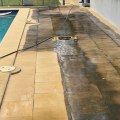
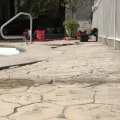
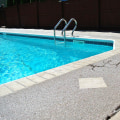
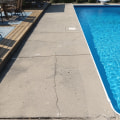
A pool deck serves as a vital extension of your swimming pool area, providing not only a functional space for relaxation and entertainment but also enhancing the overall aesthetic appeal of your backyard. The materials used in constructing a pool deck can vary widely, ranging from traditional concrete and pavers to more modern options like composite decking and natural stone. Each material brings its own unique benefits, allowing homeowners to choose a style that complements their landscape while ensuring durability and safety.The importance of a well-maintained pool deck cannot be overstated. It acts as a safe transition area between the pool and surrounding spaces, reducing the risk of slips and falls.
Additionally, a visually appealing deck can significantly increase the value of your property, making it an essential investment for any homeowner. Whether you’re hosting summer barbecues or enjoying a quiet evening by the water, the right pool deck enhances your outdoor experience.Understanding the various materials available for pool deck repair is crucial for maintaining this important feature of your home. Each material has its own maintenance requirements and lifespan, which can influence your decision when it comes to repairs or upgrades. By recognizing the significance of your pool deck and its role in your outdoor living space, you can make informed choices that will keep your pool area looking great and functioning well for years to come.
Signs Your Pool Deck Needs Repair
Identifying the need for pool deck repair early can save you time and money in the long run.Here are some common signs that your pool deck may require attention:
- Cracks and Chips: One of the most obvious indicators of damage is the presence of cracks or chips in the surface. These can develop due to weather changes, settling, or improper installation.
- Uneven Surfaces: If you notice that certain areas of your pool deck are uneven or sloped, it could lead to water pooling, which can exacerbate existing damage and create safety hazards.
- Discoloration: Fading or discoloration of the deck surface can indicate wear and tear. This may not only affect aesthetics but also signal underlying issues that need to be addressed.
- Rust Stains: If your pool deck has metal fixtures, rust stains can appear over time. These stains not only detract from the appearance but may also indicate corrosion that could compromise structural integrity.
- Water Accumulation: Puddles forming on the surface after rain or pool use can suggest drainage issues.
This can lead to further deterioration if not resolved promptly.
Can You Repair a Pool Deck Without Draining the Pool?
When it comes to pool deck repair, many homeowners wonder if it's possible to make necessary repairs without draining the pool. The good news is that there are several methods available that allow for effective repairs while keeping the water in the pool.Methods for Repairing a Pool Deck Without Draining:
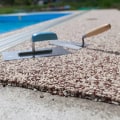
- Surface Resurfacing: This method involves applying a new layer of material over the existing deck surface.
It can cover cracks and imperfections, providing a fresh look without the need to drain the pool.
- Crack Injection: For minor cracks, epoxy or polyurethane injections can be used to fill gaps and prevent further damage. This method is effective and can be done while the pool is still full.
- Concrete Patching: If there are specific areas of damage, concrete patching compounds can be applied directly to the affected spots. This localized approach minimizes disruption and keeps the pool operational.
Benefits of Not Draining the Pool:
- Cost-Effective: Draining a pool can lead to additional costs, including water refilling and potential chemical balancing. By repairing without draining, you save both time and money.
- Reduced Risk of Damage: Draining a pool can sometimes lead to structural issues, especially in vinyl-lined pools.
Keeping the water in place helps maintain stability.
- Convenience: Repairs can often be completed more quickly when the pool remains full, allowing for immediate use after minor repairs.
Common Pool Deck Repair Techniques
When it comes to pool deck repair, there are several techniques that homeowners can consider, ranging from simple DIY fixes to more complex professional services. Understanding these options can help you choose the best approach for your specific situation.DIY Pool Deck Repair Techniques
For minor issues, many homeowners opt for DIY pool deck repair methods. Here are some common techniques:- Crack Filling: Small cracks can be filled with a concrete patching compound.
Clean the area thoroughly, apply the compound, and smooth it out for a seamless finish.
- Resurfacing: If your pool deck has extensive wear but is structurally sound, resurfacing can rejuvenate its appearance. This involves applying a new layer of concrete or a special resurfacing compound.
- Sealing: After repairs, applying a sealant can protect your pool deck from future damage. Choose a sealant that is suitable for your deck material and climate.
Professional Pool Deck Repair Services
If the damage is more severe or if you prefer to leave it to the experts, hiring a professional may be the best option. Professionals can offer:- Structural Repairs: For significant cracks or sinking areas, professionals can assess and repair the underlying structure, ensuring long-term stability.
- Custom Solutions: Experts can provide tailored solutions based on the specific materials and design of your pool deck, ensuring a cohesive look and feel.
- Time Efficiency: Professionals have the tools and experience to complete repairs quickly and effectively, minimizing disruption to your pool usage.
Regular maintenance and timely repairs can extend the life of your pool deck significantly.
Safety Considerations During Pool Deck Repairs
When it comes to pool deck repair, safety should always be a top priority. Working around water presents unique challenges, and taking the right precautions can prevent accidents and injuries. Here are some essential safety considerations to keep in mind during your repair process.- Assess the Area: Before starting any repairs, thoroughly inspect the pool deck and surrounding area. Look for any hazards such as loose tiles, cracks, or wet surfaces that could pose a risk.
- Use Non-Slip Footwear: Ensure that all workers wear appropriate footwear with non-slip soles.
This will help prevent slips and falls, especially in areas that may be wet or damp.
- Mark Off Work Zones: Clearly mark off the area where repairs will take place. Use cones or caution tape to alert swimmers and others to stay clear of the work zone.
- Keep Tools Dry: Water and electrical tools do not mix. Make sure that all tools are kept dry and away from the pool's edge to avoid electrical hazards.
- Have Safety Gear Ready: Equip workers with necessary safety gear such as gloves, goggles, and knee pads. This will protect them from potential injuries while working on the deck.
- Monitor Weather Conditions: If you are repairing the pool deck outdoors, keep an eye on the weather.
Rain can create slippery conditions, so it’s best to postpone repairs if inclement weather is expected.
Cost Factors in Pool Deck Repair Without Draining
When considering pool deck repair without draining the pool, understanding the associated costs is crucial for homeowners. The overall expense can vary significantly based on several factors.- Type of Damage: The extent and type of damage to the pool deck play a significant role in determining repair costs.
Minor cracks may require simple patching, while extensive damage could necessitate more complex solutions.
- Materials Used: The choice of materials for the repair can also impact the budget. For instance, using high-quality sealants or resurfacing materials will generally increase costs but may offer better longevity and aesthetics.
- Labor Costs: Hiring a professional for pool deck repair can add to the overall expense. Labor rates can vary based on location and the contractor's experience. It's advisable to obtain multiple quotes to ensure competitive pricing.
- Accessibility: If the pool area is difficult to access, it may require additional labor or equipment, further increasing costs.
For example, if underlying issues are discovered once work begins, this could lead to unexpected expenses. Therefore, it’s wise to set aside a contingency budget of around 10-20% of the estimated repair costs. In summary, while it is possible to repair a pool deck without draining the pool, various factors influence the overall cost. By understanding these elements and planning accordingly, homeowners can better manage their budgets for pool repairs.
Frequently Asked Questions About Pool Deck Repair
When it comes to pool deck repair, many homeowners have questions about the process and what to expect. Here are some of the most frequently asked questions:- Can a pool deck be repaired without draining the pool?
Yes, in many cases, pool deck repairs can be performed without draining the pool.Techniques such as resurfacing or patching can often be done while the pool remains filled, allowing for minimal disruption.
- What are common signs that my pool deck needs repair?
Look for cracks, uneven surfaces, or discoloration. These issues can indicate underlying problems that may worsen if not addressed promptly. - How long does a typical pool deck repair take?
The duration of a pool deck repair project can vary based on the extent of the damage. Minor repairs may take just a few hours, while more extensive work could require several days. - What materials are commonly used for pool deck repairs?
Common materials include concrete, pavers, and specialized resurfacing compounds. The choice of material often depends on the type of damage and the desired aesthetic. - Is it necessary to hire a professional for pool deck repairs?
While some minor repairs can be DIY projects, hiring a professional is recommended for significant issues to ensure safety and quality workmanship.
Conclusion: Key Takeaways on Pool Deck Repair Without Draining
In conclusion, pool deck repair can indeed be accomplished without the need to drain your pool, making it a more convenient and cost-effective option for many pool owners.Throughout this article, we explored various methods and considerations that highlight the feasibility of this approach. One of the primary advantages of repairing your pool deck while keeping the water intact is the significant time savings. Draining a pool can take hours or even days, depending on its size, and refilling it afterward adds to the overall downtime. By opting for repairs without draining, you can enjoy your pool sooner. Additionally, we discussed several effective techniques for pool deck repair, including:
- Crack Filling: Using specialized sealants to fill in cracks and prevent further damage.
- Resurfacing: Applying a new layer of material over the existing deck to enhance its appearance and durability.
- Tile Replacement: Replacing damaged tiles without disturbing the water level.
Always ensure that any materials used are safe for both your pool and its users. Ultimately, understanding the options available for pool deck repair without draining your pool empowers you to maintain your outdoor space effectively. By taking proactive steps, you can preserve the integrity of your pool deck while minimizing disruption to your swimming experience.