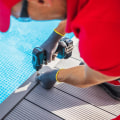
Understanding pool deck damage is essential for any pool owner, as it can significantly impact both the aesthetics and safety of your outdoor space. Over time, various factors can lead to deterioration, including environmental conditions, improper installation, and regular wear and tear. Common types of damage include cracks, stains, and structural issues, each requiring a different approach to assessment and potential repair. Cracks are one of the most prevalent forms of damage seen in pool decks. They can range from hairline fractures to deep fissures that compromise the integrity of the surface.
Stains, often caused by chemicals, algae, or rust, not only detract from the visual appeal but can also indicate underlying problems. Structural issues may manifest as uneven surfaces or sinking areas, which pose safety risks for users. Identifying these types of damage early on is crucial in determining whether a pool deck repair is feasible or if a complete replacement is necessary. The causes of pool deck damage are varied and can include extreme weather conditions, such as heavy rain or freezing temperatures, which can exacerbate existing cracks or create new ones. Additionally, poor drainage around the pool area can lead to water pooling, further damaging the deck over time.
Understanding these causes helps in implementing preventive measures and deciding on the best course of action for maintaining your pool deck.
Assessing the Extent of Damage
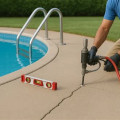
When it comes to pool deck repair, the first step is to accurately assess the extent of the damage. Understanding the severity of the issues at hand will help you determine whether a repair is feasible or if a complete replacement is necessary. Here are some common signs of severe pool deck damage to look for:- Cracks: Large, deep cracks that extend through the surface can indicate structural issues. If you can fit a coin into a crack, it’s likely severe.
- Uneven Surfaces: If your pool deck has noticeable dips or raised areas, this could be a sign of underlying problems such as soil erosion or poor installation.
- Chipping and Spalling: Flaking or chipping concrete can lead to further deterioration. If large sections are breaking away, it may be time for a replacement.
- Water Pooling: If water collects in certain areas instead of draining away, this could indicate improper grading or significant damage.
- Visual Inspection: Walk around your pool deck and take note of any visible damage.
Look for cracks, discoloration, and uneven surfaces.
- Tapping Test: Gently tap on different areas of the deck with a hammer. A hollow sound may indicate delamination or voids beneath the surface.
- Professional Assessment: If you’re unsure about the severity of the damage, hiring a professional can provide a comprehensive evaluation and recommendations for pool deck repair.
Repair Options for Pool Decks
When it comes to pool deck repair, understanding the extent of the damage is crucial in determining the best course of action. There are several methods available, ranging from simple DIY fixes to professional services, depending on the type and severity of the damage.Common Types of Damage and Repair Options:
- Cracks: Small cracks can often be repaired using a concrete patching compound.
For larger cracks, a more extensive repair may involve filling the crack with a polymer-modified concrete mix and resurfacing the area.
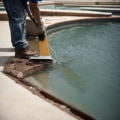
- Chipping or Spalling: If your pool deck has chips or spalling, you can use a concrete resurfacer to create a smooth finish. This not only repairs the damage but also enhances the overall appearance.
- Discoloration: Faded or discolored areas can be treated with a concrete stain or sealer. This is a relatively easy DIY project that can significantly improve the look of your pool deck.
- Uneven Surfaces: If your pool deck has become uneven due to settling or erosion, you may need to consider mudjacking or slab jacking. These methods involve injecting a material beneath the surface to lift and level it.
DIY Pool Deck Repair:
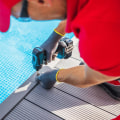
For those who prefer a hands-on approach, many DIY pool deck repair options are available.
Basic repairs such as filling cracks or applying a new coat of sealant can often be done with minimal tools and materials. Here are some steps to consider:
- Assess the Damage: Identify all areas that need repair and determine whether they are suitable for DIY fixes.
- Gather Materials: Purchase necessary materials such as patching compounds, sealants, and tools like trowels and brushes.
- Prepare the Surface: Clean the area thoroughly to ensure proper adhesion of repair materials.
- Apply Repairs: Follow manufacturer instructions for applying patching compounds or sealants.
- Allow to Cure: Ensure that all repairs are allowed to cure properly before using the pool deck again.
When to Consider Replacement
While pool deck repair can often extend the life of your outdoor space, there are certain scenarios where replacement becomes the more practical option.Understanding when to consider a full replacement is crucial for homeowners looking to maintain both safety and aesthetics.
Signs You Need a New Pool Deck
- Extensive Cracking: If your pool deck has large cracks that compromise its structural integrity, repair may not suffice.
- Uneven Surfaces: A deck that has settled unevenly can pose tripping hazards and may require replacement to ensure safety.
- Severe Water Damage: Prolonged exposure to moisture can lead to rotting or mold, indicating that a new deck is necessary.
- Outdated Materials: If your pool deck is made from materials that are no longer in style or are difficult to maintain, it might be time for an upgrade.
Cost of Replacing a Pool Deck
The cost of replacing a pool deck varies widely based on materials, size, and labor. On average, homeowners can expect to pay between $3,000 and $10,000 for a complete replacement. Factors influencing this cost include:- Material Choice: Options range from concrete and pavers to wood and composite materials, each with different price points.
- Deck Size: Larger decks will naturally incur higher costs due to increased material and labor requirements.
- Location: Regional labor costs can affect the overall price; urban areas may see higher rates compared to rural locations.
Cost Comparison: Repair vs.
ReplacementWhen considering pool deck repair versus replacement, understanding the costs involved is crucial for making an informed decision. The financial implications can vary significantly based on the extent of damage, materials used, and labor costs.
Cost of Pool Deck Repair
The cost of repairing a pool deck typically ranges from $500 to $2,500, depending on the severity of the damage and the type of repair needed. Minor cracks and surface issues can often be fixed with simple patching or resurfacing techniques, which are generally more affordable. For instance:- Crack filling: $100 - $300
- Resurfacing: $1,000 - $2,000
- Tile replacement: $200 - $800
Cost of Pool Deck Replacement
On the other hand, replacing a pool deck is a more extensive and costly endeavor.The average cost for complete replacement can range from $3,000 to $10,000, depending on the materials chosen and the size of the deck. Here are some common materials and their associated costs:
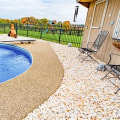
- Concrete: $3,000 - $5,000
- Pavers: $5,000 - $8,000
- Wood decking: $6,000 - $10,000
Budget Considerations
Your budget will play a significant role in deciding between repair and replacement. If you are looking to save money in the short term, pool deck repair may be the best option. However, if your deck has extensive damage or if you plan to stay in your home long-term, investing in a new deck could provide better value over time.Ultimately, assessing both options carefully will help you make a decision that aligns with your financial situation and long-term goals for your outdoor space.Preventative Measures for Pool Deck Longevity
Maintaining a pool deck is essential for ensuring its longevity and minimizing the need for costly pool deck repair.By implementing a few simple preventative measures, you can protect your investment and enjoy a beautiful outdoor space for years to come.
- Regular Cleaning: Debris, dirt, and algae can accumulate on your pool deck, leading to stains and slippery surfaces. Regularly sweep and wash the deck with a mild detergent to keep it clean. Consider using a pressure washer for deeper cleaning, but be cautious not to damage the surface.
- Sealant Application: Applying a high-quality sealant every few years can protect your pool deck from moisture and UV damage. This barrier helps prevent cracks and fading, extending the life of your deck significantly.
- Prompt Repairs: Address any minor issues immediately.
Small cracks or chips can quickly escalate into larger problems if left unattended. Regularly inspect your pool deck for signs of wear and tear, and perform pool deck repair as needed.
- Proper Drainage: Ensure that water drains away from the pool deck to prevent pooling, which can lead to structural damage over time. Check that gutters and downspouts are functioning correctly and consider installing drainage solutions if necessary.
- Temperature Control: Extreme temperature fluctuations can cause materials to expand and contract, leading to cracks. Use shade structures or patio umbrellas to protect the deck from direct sunlight during peak hours.
Not only will this save you money on future repairs, but it will also enhance the overall aesthetic of your outdoor space, making it a more enjoyable area for family and friends.
FAQs About Pool Deck Repair and Replacement
When it comes to pool deck repair and replacement, many homeowners have questions. Here are some of the most frequently asked questions:- Can a severely damaged pool deck be repaired? Yes, in many cases, a severely damaged pool deck can be repaired. The extent of the damage will determine the best course of action. Minor cracks and surface issues can often be fixed with resurfacing or patching, while more extensive damage may require structural repairs.
- What are the signs that my pool deck needs to be replaced? If you notice large cracks, significant sinking, or if the surface is crumbling, it may be time for a replacement.
Additionally, if repairs are becoming frequent and costly, investing in a new deck might be more economical in the long run.
- How long does a pool deck repair take? The duration of a pool deck repair project can vary based on the extent of the damage and the type of repair needed. Simple repairs may take just a few hours, while more complex projects could take several days.
- Are there any myths about pool decks? Yes, one common myth is that all pool decks must be replaced if they show signs of wear. In reality, many issues can be effectively repaired without needing a full replacement. Another myth is that repairs are always temporary; with proper techniques and materials, repairs can last for many years.
Always consult with a professional to assess your specific situation and determine the best approach for your pool deck.