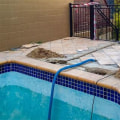
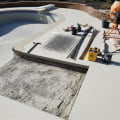
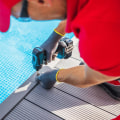
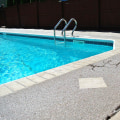
A pool deck serves as the essential transition space between your swimming pool and the surrounding area, providing both functionality and aesthetic appeal. It is where family and friends gather to relax, sunbathe, or enjoy a barbecue. However, without proper maintenance, these surfaces can quickly fall victim to a variety of common pool deck problems. Issues such as cracking, discoloration, and surface erosion can not only detract from the beauty of your outdoor space but also pose safety hazards. One of the most prevalent issues faced by pool decks is water damage.
Over time, moisture can seep into cracks and crevices, leading to further deterioration. Additionally, exposure to harsh chemicals from pool maintenance can weaken the materials used in your deck. Regular pool deck maintenance is crucial in identifying these problems early on, allowing for timely interventions that can save you from costly pool deck repairs down the line. Moreover, seasonal changes can exacerbate existing issues. For instance, freezing temperatures can cause water trapped in cracks to expand, leading to more significant damage.
By implementing a routine maintenance schedule that includes cleaning, sealing, and inspecting your pool deck, you can effectively mitigate these risks. This proactive approach not only enhances the longevity of your deck but also ensures a safe and enjoyable environment for all who use it.
The Role of Regular Maintenance in Pool Deck Longevity
Regular maintenance plays a crucial role in enhancing pool deck longevity and preventing the need for costly pool deck repairs. By implementing a consistent maintenance routine, pool owners can address minor issues before they escalate into major problems, ensuring the deck remains safe and visually appealing.One of the primary benefits of pool deck maintenance is the prevention of surface damage. Regular cleaning helps remove dirt, debris, and algae that can cause staining and deterioration.Here are some effective maintenance practices:
- Routine Cleaning: Sweep the deck regularly to remove leaves and dirt. Use a pressure washer periodically to eliminate stubborn stains and grime.
- Sealing: Apply a high-quality sealant every few years to protect the surface from moisture and UV damage. This creates a barrier that prevents cracks and fading.
- Inspection: Conduct regular inspections for cracks, loose tiles, or uneven surfaces. Early detection allows for timely repairs, which can save money in the long run.
- Debris Removal: Ensure that pool furniture and accessories are not left on the deck for extended periods, as they can trap moisture and lead to mold growth.
Poor drainage can lead to water pooling on the deck, which may cause structural damage over time. Ensuring that gutters are clear and that the landscape slopes away from the pool can help mitigate this risk.In conclusion, regular maintenance is not just about aesthetics; it is a proactive approach to extending the life of your pool deck. By investing time in these simple practices, you can significantly reduce the likelihood of extensive repairs, ultimately saving you both time and money.
Identifying Early Signs of Damage
Identifying early signs of damage on your pool deck is essential for maintaining its integrity and avoiding costly pool deck repair in the future. Regular inspections can help you catch issues before they escalate.Here are some common signs to look for:
- Cracks: Small cracks can develop due to temperature fluctuations or settling. If left unchecked, these can widen and lead to more significant structural problems.
- Discoloration: Fading or discoloration of the surface may indicate wear and tear from UV exposure or chemical damage. This can compromise the protective sealant, making the deck more susceptible to moisture infiltration.
- Uneven Surfaces: If you notice any unevenness or sinking areas, it could be a sign of underlying issues such as poor drainage or soil erosion. Addressing these problems early can prevent further damage.
- Mold and Mildew: The presence of mold or mildew not only affects aesthetics but can also indicate moisture retention, which can weaken the deck over time.
- Schedule Regular Inspections: Make it a habit to inspect your pool deck at least twice a year, ideally before and after the swimming season.
- Use a Moisture Meter: This tool can help you identify areas with excessive moisture that may lead to mold growth or structural issues.
- Check for Drainage Issues: Ensure that water drains away from the pool deck.
Standing water can accelerate deterioration.
- Look for Loose Tiles or Pavers: Any loose materials should be addressed immediately to prevent further damage and safety hazards.
Essential Maintenance Practices for Pool Decks
Maintaining your pool deck is crucial for preventing the need for extensive pool deck repair. Regular upkeep not only enhances the aesthetic appeal of your outdoor space but also extends the lifespan of your deck. Here are some essential maintenance practices to consider:- Regular Cleaning: Keeping your pool deck clean is the first step in maintenance. Use a broom or leaf blower to remove debris, and wash the surface with a mild detergent and water.
This helps prevent mold and mildew buildup, which can lead to slippery surfaces and structural damage.
- Inspect for Cracks: Regularly check for any cracks or chips in the surface. Small issues can often be repaired easily with sealant or patching compounds, preventing them from developing into larger problems that require more extensive pool deck repair.
- Sealing the Surface: Applying a sealant every few years can protect your pool deck from water damage, UV rays, and stains. A good sealant creates a barrier that prevents moisture from penetrating the surface, which is essential in avoiding cracks and deterioration.
- Addressing Drainage Issues: Ensure that water drains away from the pool deck effectively. Poor drainage can lead to standing water, which not only damages the surface but also encourages mold growth.
Consider installing drainage solutions if you notice persistent pooling.
Cost-Effectiveness of Regular Maintenance vs. Extensive Repairs
When it comes to pool deck repair, the financial implications can be significant. Regular maintenance not only enhances the aesthetic appeal of your pool area but also serves as a crucial strategy for avoiding costly repairs down the line.By investing in routine upkeep, homeowners can save a substantial amount compared to the expenses associated with extensive repairs.
Cost of Pool Deck Repairs
- Minor repairs, such as filling cracks or resurfacing, can range from $200 to $1,000 depending on the extent of damage.
- Major repairs, including structural issues or complete deck replacement, can escalate to $5,000 or more.
- Routine cleaning and sealing can cost between $100 and $300 annually.
- Regular inspections may only require a small fee for professional services, often under $150.
Maintenance vs. Repairs Cost Analysis
By conducting a simple cost analysis, it becomes clear that the proactive approach of maintenance is far more economical. For example, if a homeowner spends $300 annually on maintenance, they could potentially avoid a $2,000 repair bill in just a few years.
This not only saves money but also extends the lifespan of the pool deck.
Saving Money on Pool Deck Care
To maximize savings on pool deck care, consider implementing the following strategies:
- Schedule Regular Inspections: Identify issues before they escalate into major problems.
- Invest in Quality Materials: Use high-quality sealants and coatings that last longer and require less frequent application.
- DIY Maintenance: Learn basic maintenance tasks to reduce labor costs.
Frequently Asked Questions About Pool Deck Maintenance and Repair
When it comes to pool deck maintenance, many homeowners have questions about the best practices and the importance of regular upkeep. Here are some frequently asked questions that can help clarify these topics.What are the most common maintenance tasks for a pool deck?
- Regular cleaning: Keeping the surface free of debris, dirt, and algae is crucial. Use a broom or leaf blower to remove leaves and a pressure washer for deeper cleaning.
- Sealing: Applying a sealant every few years can protect the surface from water damage and stains.
- Inspection: Regularly check for cracks, chips, or other signs of wear that may require attention before they escalate into larger issues.
How does maintenance prevent the need for extensive pool deck repairs?
Regular maintenance helps identify minor issues before they develop into major problems.For instance, small cracks can be filled easily, but if left unattended, they can widen and lead to significant structural damage, necessitating costly pool deck repairs. By addressing these issues promptly, you can save both time and money in the long run.
What is the difference between repair and maintenance?
Maintenance refers to routine tasks performed to keep your pool deck in good condition, while repair involves fixing existing damage. Regular maintenance can significantly reduce the need for repairs by ensuring that your pool deck remains in optimal condition.How often should I perform maintenance on my pool deck?
A good rule of thumb is to conduct a thorough inspection and cleaning at least once a month during the swimming season. Additionally, consider sealing your pool deck every 1-3 years depending on the material and environmental factors.By understanding these aspects of pool deck maintenance, homeowners can take proactive steps to ensure their outdoor spaces remain safe and visually appealing while minimizing the risk of extensive repairs in the future.Conclusion: The Value of Preventative Care for Your Pool Deck
In conclusion, the importance of regular maintenance for your pool deck cannot be overstated.By investing time and effort into routine care, you can significantly reduce the likelihood of needing extensive pool deck repairs in the future. Regular inspections and maintenance not only enhance the aesthetic appeal of your pool area but also ensure its safety and longevity. One of the key benefits of preventative care is that it allows for early detection of potential issues. For instance, small cracks or surface wear can be addressed promptly before they escalate into larger problems that require costly repairs. By routinely checking for signs of damage, homeowners can save both time and money in the long run. Additionally, maintaining a clean pool deck helps prevent the buildup of debris and algae, which can lead to slippery surfaces and further deterioration.
Regular cleaning and sealing can protect your deck from harsh weather conditions and UV damage, extending its lifespan significantly. Moreover, engaging professional services for periodic maintenance checks can provide peace of mind. Experts can offer insights into the specific needs of your pool deck based on its material and environmental factors, ensuring that you are taking the right steps to preserve its condition. Ultimately, prioritizing regular maintenance is a proactive approach that pays off. By doing so, you not only enhance the enjoyment of your outdoor space but also safeguard your investment against the need for extensive pool deck repairs. Embracing this preventative mindset will lead to a more durable and beautiful pool deck for years to come.