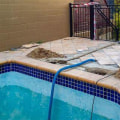
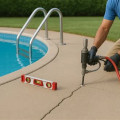
Maintaining a pool deck is not just about aesthetics; it plays a crucial role in ensuring pool safety and longevity. A well-kept pool deck enhances the overall experience of pool ownership, providing a safe and inviting environment for family and friends. Over time, wear and tear can lead to cracks, uneven surfaces, and other issues that not only detract from the visual appeal but also pose significant safety hazards. Therefore, understanding the importance of pool deck maintenance is essential for any pool owner. Regular maintenance and timely pool deck repair can prevent minor issues from escalating into major problems.
For instance, small cracks can allow water to seep beneath the surface, leading to further damage and costly repairs down the line. By addressing these concerns promptly, you not only protect your investment but also ensure that your pool area remains a safe space for everyone. Ignoring these repairs can result in slippery surfaces or even structural failures, which could lead to accidents. In addition to safety concerns, a well-maintained pool deck enhances the overall enjoyment of your outdoor space. It creates an inviting atmosphere for gatherings and relaxation.
As we delve deeper into the specifics of pool deck repair, it becomes clear that understanding when and why to close the pool during repairs is vital for maintaining both safety and functionality. This knowledge empowers pool owners to make informed decisions that will benefit their property in the long run.
What is Pool Deck Repair?
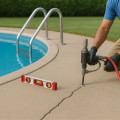
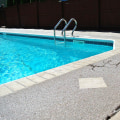
Pool deck repair refers to the process of fixing and restoring the surface surrounding a swimming pool, which can be subject to various forms of damage over time. This area is not only functional but also contributes significantly to the aesthetic appeal of your pool area. Understanding the common issues that necessitate repairs is crucial for maintaining a safe and attractive environment.Common issues that may require pool deck repairs include:- Cracks: These can develop due to settling, temperature fluctuations, or heavy loads.
Cracks not only detract from the appearance but can also pose safety hazards.
- Uneven Surfaces: Over time, wear and tear or improper installation can lead to uneven surfaces, increasing the risk of slips and falls.
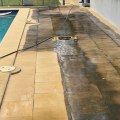
- Stains: Oil, algae, and other substances can stain the deck, making it look unkempt and less inviting.
- Chipping or Peeling: The surface material may chip or peel due to exposure to harsh weather conditions or improper maintenance.
- Crack Filling: This involves cleaning out the crack and filling it with a suitable material to prevent further damage.
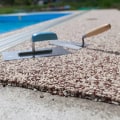
- Resurfacing: For decks with extensive wear, resurfacing can restore the surface's integrity and appearance.
- Stain Removal: Specialized cleaning solutions can be used to remove stains without damaging the underlying material.
- Patching: For larger areas of damage, patching with new material may be necessary to ensure a seamless look.
Why Repairing Your Pool Deck is Essential
Repairing your pool deck is not just a matter of aesthetics; it plays a crucial role in ensuring safety and enhancing the overall value of your property. A well-maintained pool deck can significantly improve the enjoyment of your outdoor space while also providing peace of mind.Benefits of Pool Deck Repair
- Safety First: Cracks, uneven surfaces, and other damages can pose serious hazards. A damaged pool deck increases the risk of slips and falls, especially when wet.
By addressing these issues promptly, you create a safer environment for family and guests.
- Aesthetic Appeal: A repaired pool deck enhances the visual appeal of your backyard. Whether you’re hosting a summer barbecue or enjoying a quiet evening by the pool, a well-kept deck adds to the overall ambiance.
- Increased Property Value: Potential buyers often look for homes with well-maintained outdoor spaces. Investing in pool deck repair can yield a high return on investment, making your property more attractive in the real estate market.
By prioritizing these repairs, you ensure that your pool area remains a safe and enjoyable retreat for years to come.
Do You Need to Close the Pool During Repairs?
When it comes to pool deck repair, one of the most pressing questions is whether you need to close the pool during repairs. The answer largely depends on the extent of the repairs being conducted and the safety measures in place.Scenarios Requiring Pool Closure
- Structural Repairs: If the repairs involve significant structural work, such as fixing cracks or replacing tiles, it is advisable to close the pool. This ensures that no one accidentally falls into an unsafe area.
- Heavy Equipment Use: When heavy machinery is used for repairs, closing the pool is essential. This not only protects swimmers from potential hazards but also prevents damage to the pool itself.
- Chemical Treatments: If your repair process involves chemical treatments for surfaces or materials, it’s crucial to keep the pool closed until these chemicals are fully cured and safe.
When You Might Not Need to Close the Pool
- Minor Repairs: For minor repairs, such as patching small cracks or replacing a few tiles, it may be possible to keep the pool open.
However, caution should be exercised, and clear barriers should be established around the work area.
- Scheduled Maintenance: If your repair work is part of regular maintenance that doesn’t pose any risk, you might not need to close the pool. Always consult with your repair professional for guidance.
Safety Considerations
Regardless of whether you decide to close the pool or not, safety should always be a top priority during the pool repair process. Ensure that all areas under repair are clearly marked and that swimmers are kept at a safe distance. Additionally, communicate with your family or guests about ongoing repairs and any potential hazards they should be aware of.In conclusion, while closing the pool during repairs may not always be necessary, it is often the safest option.
Assessing the type of repairs and prioritizing safety will help you make an informed decision.
Factors Influencing the Decision to Close the Pool
When considering pool deck repair, several factors can influence the decision to close the pool during the repair process. Understanding these factors can help pool owners make informed choices that ensure safety and efficiency.Weather Conditions
One of the most significant factors is the weather. Inclement weather, such as heavy rain, strong winds, or extreme temperatures, can hinder repair work and pose safety risks. For instance, if rain is forecasted, it may be necessary to close the pool to prevent water from mixing with repair materials, which can compromise the integrity of the repairs.Additionally, working in wet conditions can increase the risk of accidents for workers and anyone nearby.
Type of Repair Work
The specific type of repair being conducted also plays a crucial role in determining whether the pool should be closed. Minor repairs, such as fixing small cracks or resurfacing sections of the deck, may not require a full closure if they can be completed quickly and safely. However, more extensive repairs, such as structural work or major resurfacing projects, often necessitate closing the pool to ensure that no one is at risk of injury from construction materials or equipment.Safety Considerations
Safety is paramount when it comes to pool deck repair. If the repair work involves heavy machinery or chemicals, closing the pool is essential to protect swimmers and bystanders.Furthermore, if there are exposed areas or hazardous materials present during repairs, it is best to keep the pool closed until all work is completed and safety checks are performed.In conclusion, evaluating weather conditions, the type of repair work, and overall safety considerations are critical in deciding whether to close a pool during repairs. By taking these factors into account, pool owners can ensure a safe environment while maintaining the quality and longevity of their pool deck.
Safety Considerations During Pool Deck Repairs
When it comes to pool deck repair, safety should be a top priority for both workers and any potential swimmers. An open pool during repairs can pose several hazards, making it essential to implement strict safety measures.Hazards of Open Pools
- Drowning Risks: Even if the pool is not in use, the presence of water can attract children and pets, increasing the risk of accidental drowning.
- Injury from Tools: Construction tools and materials scattered around the pool area can lead to injuries if someone inadvertently steps on or trips over them.
- Slips and Falls: Wet surfaces, especially during repairs, can be slippery, posing a significant risk for anyone near the pool.
Safety Tips for Pool Repairs
- Close the Pool: It is advisable to close the pool entirely during the repair process. This includes putting up barriers or fencing to prevent unauthorized access.
- Signage: Clearly mark the area with warning signs indicating that repairs are in progress and that swimming is prohibited.
- Secure Tools and Materials: Keep all tools and materials organized and stored away from the pool edge to minimize trip hazards.
- Supervision: Ensure that a responsible adult supervises the area if children or pets are nearby, even if the pool is closed.
- Use Safety Gear: Workers should wear appropriate safety gear, including helmets, gloves, and non-slip footwear, to protect against injuries during repairs.
Prioritizing safety not only protects workers but also helps prevent accidents that could occur if the pool remains open during this critical time.
Frequently Asked Questions About Pool Deck Repair
When it comes to pool deck repair, many homeowners have questions about whether they need to close the pool during the repair process. Here are some common inquiries and their answers:- Is it necessary to close the pool during repairs?
Yes, it is generally recommended to close the pool while repairs are being made. This ensures safety for both the workers and any potential swimmers. Additionally, closing the pool helps prevent any debris or materials from contaminating the water. - What types of repairs require closing the pool?
Major repairs, such as resurfacing the deck, fixing cracks, or replacing tiles, typically necessitate closing the pool.These activities can create hazardous conditions and may involve chemicals that should not mix with pool water.
- How long will the pool be closed?
The duration of closure depends on the extent of the repairs. Minor fixes might only take a few hours, while more extensive work could require several days. Always consult with your contractor for a specific timeline. - Can I use my pool during minor repairs?
In some cases, minor repairs may allow for limited access to the pool. However, it’s crucial to follow your contractor's advice and prioritize safety.
Always prioritize safety and consult with professionals when planning any repair work on your pool deck.
Conclusion: Making Informed Decisions About Pool Repairs
In conclusion, understanding the necessity of closing the pool during pool deck repair is crucial for both safety and the quality of the repair work. Throughout this article, we have explored various aspects of pool deck repairs, including the types of damage that may require immediate attention and the potential risks associated with leaving a pool open during repairs.When considering whether to close your pool, it is essential to weigh the following factors:- Safety: An open pool during repair work poses significant safety hazards, especially for children and pets. Closing the pool ensures that no one accidentally falls into an unsafe area.
- Quality of Repair: Allowing contractors to work without interruptions can lead to a more thorough and effective repair process. A closed pool minimizes distractions and ensures that repairs are completed efficiently.
- Timeframe: Depending on the extent of the damage, repairs can take time.
Planning for a temporary closure can help you manage expectations and avoid last-minute surprises.