When it comes to maintaining your outdoor oasis, pool deck repair is a crucial aspect that often gets overlooked. Whether it's due to wear and tear, weather damage, or simply the passage of time, a damaged pool deck can not only detract from the beauty of your backyard but also pose safety risks. As a homeowner, understanding the nuances of permits for pool deck repair is essential to ensure that your project complies with local regulations and standards. Many homeowners find themselves asking, "Do I need a permit for pool deck repair?" The answer isn't always straightforward. Depending on the extent of the repairs and local building codes, you may or may not need to secure a permit.
Minor cosmetic fixes might not require any official approval, while significant structural changes or renovations could necessitate a permit to ensure safety and compliance with zoning laws. Before embarking on your pool deck repair project, it's vital to do your homework. Familiarizing yourself with local regulations can save you from potential fines and complications down the line. Additionally, obtaining the necessary permits can provide peace of mind, knowing that your repairs meet safety standards and are legally compliant. In this article, we will delve deeper into the specifics of when permits are required and how to navigate the permitting process effectively.
Understanding Pool Deck Repairs
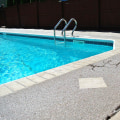
When it comes to pool deck repair, understanding the various aspects involved is crucial for maintaining a safe and aesthetically pleasing outdoor space.A pool deck serves not only as a functional area around your swimming pool but also enhances the overall appeal of your backyard. Over time, however, wear and tear can lead to several issues that necessitate repairs.
What is Pool Deck Repair?
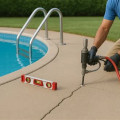
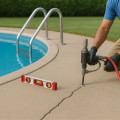
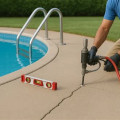
Pool deck repair refers to the process of fixing damages or deterioration in the surface surrounding a swimming pool. This can include cracks, stains, or uneven surfaces that may pose safety hazards or detract from the visual appeal of your pool area.Common Issues Requiring Repair
- Cracks: These can develop due to settling, temperature changes, or heavy usage. Small cracks may be filled, while larger ones might require more extensive work.
- Stains: Pool decks are often exposed to chemicals, dirt, and algae, leading to unsightly stains that can be difficult to remove.
- Uneven Surfaces: Over time, shifting soil or poor installation can cause parts of the deck to become uneven, creating tripping hazards.
Types of Pool Deck Repairs
There are several types of repairs that may be necessary depending on the specific issues present:- Crack Filling: This involves using specialized fillers to seal cracks and prevent further damage.
- Resurfacing: For decks with extensive wear, resurfacing can restore the surface's appearance and functionality.
- Stain Removal: Techniques such as pressure washing or chemical treatments can effectively remove stubborn stains.
Regular cleaning, sealing, and inspections can help identify potential issues before they escalate into costly repairs. By investing in maintenance, homeowners can extend the life of their pool deck and ensure a safe environment for family and guests.
When Are Permits Required for Pool Deck Repairs?
Understanding when permits are required for pool deck repair is essential for homeowners to ensure compliance with local regulations. The necessity for a permit can vary significantly based on the scope of the repairs and the specific laws in your area.Common Scenarios Requiring Permits:
- Structural Changes: If your repair involves altering the structure of the pool deck, such as adding new support beams or changing the layout, a permit is typically required.
- Material Changes: Switching from one type of material to another, like from wood to concrete, may necessitate a permit due to differing safety standards.
- Electrical or Plumbing Work: If your pool deck repair includes any electrical installations or plumbing modifications, you will likely need to obtain a permit.
- Significant Surface Repairs: Large-scale resurfacing projects that cover more than a certain percentage of the deck may also trigger permit requirements.
Local Regulations:
Each municipality has its own set of rules regarding pool deck repairs. It’s crucial to check with your local building department or municipal office to understand specific requirements.
Some areas may have strict guidelines that dictate not only when a permit is needed but also how repairs should be conducted to ensure safety and compliance with building codes.
Consulting Professionals:
If you are unsure whether your project requires a permit, it’s advisable to consult with a licensed contractor or your local building authority. They can provide guidance tailored to your situation and help you avoid potential fines or complications down the line.In summary, while not all pool deck repairs require permits, understanding when they do is vital for ensuring that your project adheres to local regulations and maintains safety standards.
Factors Influencing Permit Requirements
When considering pool deck repair, understanding the various factors that influence permit requirements is crucial for homeowners. These factors can vary significantly based on local regulations, making it essential to be informed before starting any repair work.- Local Zoning Laws: Zoning laws dictate how properties can be used and what structures can be built or modified. In many areas, these laws may require permits for any significant changes to a pool deck, especially if the repairs alter the deck's footprint or its proximity to property lines.
- Building Codes: Building codes are established to ensure safety and structural integrity.
Depending on the extent of the pool deck repair, local building codes may necessitate a permit. For instance, if the repair involves substantial structural changes or the installation of new materials, a permit is likely required.
- Type of Repair: The nature of the repair also plays a role in determining whether a permit is needed. Minor cosmetic repairs, such as resurfacing or painting, may not require a permit, while more extensive repairs that involve structural elements typically will.
- Homeowners Association (HOA) Regulations: If your property is part of an HOA, additional rules may apply. Some associations have specific guidelines regarding pool decks that could necessitate obtaining a permit even if local laws do not.
This proactive approach can save time and prevent potential legal issues down the line.
Consequences of Not Obtaining a Permit
When it comes to pool deck repair, neglecting to obtain the necessary permits can lead to a variety of serious consequences. Understanding these risks is crucial for homeowners who want to ensure their projects are compliant with local regulations.Risks of Not Getting a Permit
- Safety Hazards: Without proper oversight, repairs may not meet safety standards, potentially leading to accidents or injuries.
- Structural Issues: Unpermitted work may result in structural problems that could compromise the integrity of the pool deck.
- Insurance Complications: If an accident occurs and the work was unpermitted, your insurance may not cover damages or liability claims.
Fines for Unpermitted Pool Deck Work
Local governments often impose hefty fines for conducting pool deck repairs without the required permits. These fines can vary significantly depending on your location and the extent of the work done. In some cases, fines can reach thousands of dollars, making it a costly oversight.
Legal Issues with Pool Deck Repairs
- Cease and Desist Orders: Authorities may issue orders to halt any ongoing work until proper permits are obtained.
- Liability for Non-Compliance: Homeowners may face legal action from neighbors or local authorities if unpermitted work leads to property damage or safety concerns.
- Difficulty Selling Your Home: Unpermitted repairs can complicate real estate transactions, as potential buyers may be wary of legal issues or additional costs associated with rectifying unpermitted work.
Ensuring compliance not only protects your investment but also guarantees the safety and satisfaction of all who use your pool area.
How to Obtain a Permit for Pool Deck Repairs
Obtaining a permit for pool deck repair is a crucial step to ensure that your project complies with local regulations and safety standards. Here’s a step-by-step guide to help you navigate the process:- Check Local Regulations: Before starting, visit your local building department's website or office to understand the specific requirements for pool deck repair. Regulations can vary significantly by location.
- Gather Necessary Documentation: You will typically need to provide several documents when applying for a permit. These may include:
- Site Plan: A detailed drawing showing the layout of your property, including the pool and deck.
- Repair Specifications: A description of the work to be done, including materials and methods.
- Proof of Ownership: Documentation that verifies you own the property where the repairs will take place.
- Contractor Information: If hiring a contractor, include their license and insurance details.
- Complete the Application Form: Fill out the permit application form provided by your local building department.
Ensure all information is accurate and complete to avoid delays.
- Submit Your Application: Submit your application along with the required documentation. Some jurisdictions may allow online submissions, while others may require in-person visits.
- Pay Fees: Be prepared to pay any associated fees when submitting your application. These fees can vary based on the scope of your project.
- Wait for Approval: After submission, your application will be reviewed by local officials. This process can take anywhere from a few days to several weeks, depending on the complexity of your project and local workload.
Remember to keep the permit on-site during the repair process, as it may need to be shown during inspections. If you encounter any issues or have questions during this process, don’t hesitate to reach out to your local building department for assistance. They can provide valuable guidance tailored to your specific situation.
FAQs About Pool Deck Repair Permits
When it comes to pool deck repair, many homeowners have questions about whether permits are necessary. Here are some common inquiries regarding permits for pool deck repairs:- Do I need a permit for minor repairs? In most cases, minor repairs such as filling cracks, replacing a few tiles, or patching small areas may not require a permit. However, this can vary by location, so it's essential to check with your local building department.
- What types of repairs typically require a permit? Major renovations, such as complete resurfacing, structural changes, or alterations that affect drainage or safety features usually necessitate a permit.
If you're unsure, it's best to consult with a professional.
- How long does it take to get a permit for pool deck repairs? The time frame for obtaining a permit can vary significantly based on your local jurisdiction and the complexity of the project. Generally, it can take anywhere from a few days to several weeks. It's advisable to apply for the permit well in advance of your planned repair work.
- What happens if I don’t obtain a required permit? Failing to secure the necessary permits can lead to fines, delays in your project, and potential issues when selling your home in the future. Always prioritize compliance with local regulations.
Always consult with local authorities or professionals to ensure that your repair work is compliant and safe.
Conclusion: Navigating Pool Deck Repair Permits Wisely
In conclusion, understanding the necessity of obtaining permits for pool deck repairs is crucial for any homeowner looking to maintain or enhance their outdoor space. Throughout this article, we have explored the various factors that influence whether a permit is required, including local regulations, the scope of the repair work, and safety considerations.Key Takeaways:
- Local Regulations: Always check with your local building department to understand specific requirements in your area.
- Scope of Work: Minor repairs may not require a permit, but significant alterations or structural changes typically do.
- Safety and Compliance: Obtaining the necessary permits ensures that your repairs meet safety standards and can prevent future liabilities.
This approach will not only streamline the repair process but also provide peace of mind knowing that your pool area is safe and compliant with local regulations.