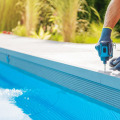
A pool deck serves as a vital extension of your swimming area, providing not only a space for relaxation and entertainment but also enhancing the overall aesthetic appeal of your backyard. It acts as a transitional zone between the pool and the surrounding landscape, making it an essential feature for any pool owner. The materials used in constructing a pool deck can vary widely, from concrete and wood to pavers and natural stone, each offering unique benefits and styles that can complement your home’s architecture. Beyond aesthetics, the importance of a well-maintained pool deck cannot be overstated. It plays a crucial role in ensuring safety for swimmers and guests alike.
A smooth, even surface minimizes the risk of slips and falls, which can be particularly hazardous when wet. Additionally, a properly designed pool deck can help with drainage, preventing water accumulation that could lead to structural damage or create an unsightly environment. Moreover, features such as built-in seating, lighting, and landscaping can transform a simple pool deck into an inviting outdoor oasis. These elements not only enhance functionality but also contribute to the overall enjoyment of your pool area. Therefore, understanding the significance of your pool deck is essential for maintaining its integrity and ensuring it remains a safe and beautiful space for years to come.
Common Issues with Pool Decks on Slopes or Uneven Ground
Pool decks located on slopes or uneven ground often face a variety of issues that can compromise their integrity and safety.Understanding these common problems is crucial for effective pool deck repair.
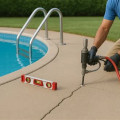
- Cracking: One of the most prevalent issues is cracking, which can occur due to the shifting of the ground beneath the deck. As soil settles or erodes, it can create stress points that lead to visible cracks in the surface.
- Settling: Uneven ground can cause parts of the pool deck to settle at different rates. This settling can result in an uneven surface, making it hazardous for users and complicating maintenance efforts.
- Drainage Problems: Proper drainage is essential for any pool deck, but slopes can complicate this. Water may pool in certain areas, leading to further erosion and potential damage to the deck structure.
- Heaving: In colder climates, freeze-thaw cycles can cause soil expansion and contraction, leading to heaving.
This movement can lift sections of the deck, creating tripping hazards and misalignments.
Assessing the Condition of Your Pool Deck
To effectively determine whether your pool deck requires repair, it is essential to conduct a thorough assessment of its condition. Regular inspections can help identify potential issues before they escalate into more significant problems.Inspection Tips:- Visual Inspection: Begin by visually examining the surface of the pool deck. Look for cracks, chips, or discoloration that may indicate underlying issues.
- Check for Unevenness: Walk around the deck and pay attention to any areas that feel uneven or sloped.
This can be a sign of settling or erosion, which may require professional intervention.
- Water Drainage: Observe how water drains off the deck after rain. Puddling or pooling water can lead to further damage and should be addressed promptly.
- Cracks: Small cracks can often be repaired easily, but larger cracks may indicate more serious structural issues.
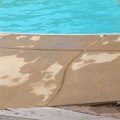
- Spalling: If the surface of the deck is flaking or peeling, this could be a sign of moisture infiltration and deterioration.
- Discoloration: Fading or discoloration can suggest that the materials are breaking down due to exposure to the elements.
Repair Options for Pool Decks on Slopes or Uneven Ground
When it comes to pool deck repair on slopes or uneven ground, homeowners have several effective options to consider.Each method varies in complexity and cost, but they all aim to restore safety and aesthetics to your pool area.
1.Resurfacing
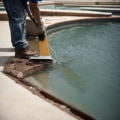
One of the most common methods for repairing a pool deck is resurfacing. This involves applying a new layer of material over the existing deck. Resurfacing can effectively cover minor cracks and imperfections while providing a fresh look. It’s essential to choose a resurfacing material that is suitable for sloped areas, ensuring proper drainage and preventing water accumulation.2.Leveling
If the slope is significant, leveling may be necessary.This process involves lifting the lower sections of the deck to create a more even surface. Techniques such as mudjacking or foam injection can be used to raise sunken areas without extensive demolition. These methods are less invasive and can often be completed in a single day.
3.Installation of Support Structures
For decks that are severely compromised due to uneven ground, installing support structures may be the best solution. This could include adding piers or footings to stabilize the deck and prevent further shifting.While this option may require more investment, it ensures long-term stability and safety.
4.Drainage Solutions
In addition to physical repairs, addressing drainage issues is crucial for maintaining a safe pool deck on slopes. Installing proper drainage systems can help redirect water away from the pool area, reducing erosion and preventing future damage.Ultimately, the best repair options for your pool deck will depend on the specific conditions of your property. Consulting with a professional contractor who specializes in pool deck repair can provide tailored solutions that meet your needs while ensuring safety and durability.DIY vs. Professional Repair: What You Should Consider
When it comes to pool deck repair, homeowners often face the dilemma of whether to tackle the project themselves or hire a professional.Each option has its own set of advantages and disadvantages that should be carefully considered.
DIY Pool Deck Repair
Opting for a DIY approach can be appealing for several reasons:- Cost Savings: One of the most significant benefits of DIY repairs is the potential for cost savings. By purchasing materials and doing the labor yourself, you can avoid labor costs associated with hiring professionals.
- Flexibility: DIY repairs allow you to work on your own schedule, which can be particularly advantageous if you have a busy lifestyle.
- Skill Development: Taking on a repair project can enhance your skills and knowledge about home maintenance, which can be beneficial for future projects.
- Skill Level: Not everyone has the necessary skills or experience to effectively repair a pool deck, especially if it is located on a slope or uneven ground.
- Time-Consuming: DIY repairs can take significantly longer than anticipated, particularly if you encounter unexpected issues.
- Quality of Work: Without professional expertise, the quality of the repair may not meet your expectations, potentially leading to further issues down the line.
Professional Repair Services
On the other hand, hiring professionals for pool deck repair comes with its own set of benefits:- Expertise: Professionals have the training and experience necessary to handle complex repairs, especially in challenging conditions like sloped or uneven ground.
- Efficiency: A professional team can complete repairs more quickly and effectively than most DIY efforts.
- Warranty and Guarantees: Many professional services offer warranties on their work, providing peace of mind that any issues will be addressed without additional costs.
- Higher Costs: Hiring professionals typically involves higher upfront costs due to labor and service fees.
- Lack of Control: When you hire someone else, you may have less control over the materials used and the overall process.
Preventative Measures to Avoid Future Damage
Maintaining a pool deck, especially one situated on a slope or uneven ground, requires proactive measures to prevent future damage. By implementing preventative maintenance strategies, you can extend the life of your pool deck and ensure it remains safe and visually appealing.- Regular Inspections: Conduct routine checks for cracks, shifting, or settling.
Early detection of issues allows for timely repairs before they escalate.
- Proper Drainage: Ensure that water drains away from the pool deck. Installing drainage systems or grading the landscape can help prevent water accumulation, which can lead to erosion and structural damage.
- Sealant Application: Apply a high-quality sealant to your pool deck every few years. This protective layer helps guard against moisture penetration and UV damage, which can exacerbate issues on sloped surfaces.
- Surface Cleaning: Regularly clean the deck to remove debris, algae, and mold. These elements can create slippery surfaces and contribute to deterioration over time.
- Use of Non-Slip Materials: When repairing or resurfacing your pool deck, consider using non-slip materials.
This not only enhances safety but also reduces wear caused by foot traffic on uneven surfaces.
Frequently Asked Questions About Pool Deck Repair on Slopes
When it comes to pool deck repair on slopes or uneven ground, several common questions arise. Understanding these can help homeowners make informed decisions about their pool deck maintenance and repair options.- Can a sloped pool deck be repaired?
Yes, a sloped pool deck can be repaired.However, the approach may differ from that of a flat surface. It often requires specialized techniques to ensure proper drainage and stability.
- What are the signs that my pool deck needs repair?
Look for cracks, uneven surfaces, or pooling water. These issues can indicate that your pool deck is settling or shifting, especially on a slope. - Is it safe to repair a pool deck on a slope?
Safety is paramount. If the slope is significant, it’s advisable to consult with professionals who can assess the situation and recommend appropriate repair methods. - What materials are best for repairing sloped pool decks?
Materials such as concrete overlays, polymer-modified cement, or even pavers can be effective.Each material has its own benefits and should be chosen based on the specific conditions of your deck.
- How long does a pool deck repair take?
The duration of repairs can vary widely based on the extent of damage and the methods used. Generally, minor repairs may take a few days, while more extensive work could take weeks.
Conclusion: Ensuring a Safe and Functional Pool Deck
In conclusion, addressing pool deck repair issues, especially on sloped or uneven ground, is crucial for maintaining both safety and functionality. Neglecting these repairs can lead to more significant problems, including structural damage and safety hazards for users.Throughout this article, we explored the various challenges associated with repairing a pool deck situated on a slope.Key points to consider include:
- Assessment of the Slope: Understanding the degree of the slope is essential. A professional assessment can help determine the best repair methods and materials needed.
- Choosing the Right Materials: Selecting appropriate materials that can withstand the unique conditions of a sloped area is vital. Options like concrete overlays or pavers may be more suitable than traditional decking materials.
- Drainage Solutions: Proper drainage is critical to prevent water accumulation, which can exacerbate existing issues. Implementing effective drainage solutions during the repair process can enhance the longevity of your pool deck.
- Professional Help: While some homeowners may consider DIY repairs, enlisting the help of professionals experienced in pool deck repair on uneven surfaces can ensure a safer and more durable outcome.
By prioritizing these repairs, you can enjoy your pool area without worry, knowing that it is both functional and secure.