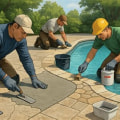
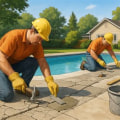
When it comes to pool deck repair, understanding the influence of weather conditions is crucial for homeowners and contractors alike. The timeline for completing a repair project can be significantly affected by various environmental factors, making it essential to consider these elements during the planning phase. Whether it’s the sweltering heat of summer or the unpredictable rains of spring, each season brings its own set of challenges that can delay or expedite the repair process. For instance, extreme temperatures can impact the curing time of materials used in pool deck maintenance. High heat may cause concrete to dry too quickly, leading to cracks and compromised integrity, while cold weather can prevent proper setting altogether.
Additionally, rain can halt work entirely, as wet conditions not only make it unsafe for workers but also affect the quality of the repair materials. Understanding these weather-related challenges is vital for ensuring that repairs are completed efficiently and effectively. As we delve deeper into this topic, we will explore specific weather conditions that impact pool deck repair timelines and provide insights on how to navigate these challenges. By being proactive and informed about weather considerations, homeowners can better prepare for their repair projects and ensure a durable and aesthetically pleasing pool deck that stands the test of time.
Understanding Pool Deck Repair
Pool deck repair is an essential aspect of maintaining the safety and aesthetics of your swimming area. Over time, various factors such as weather conditions, wear and tear, and improper installation can lead to damage that requires attention.Understanding the types of repairs needed and the materials involved can help homeowners make informed decisions about their pool deck maintenance.
What is Pool Deck Repair?
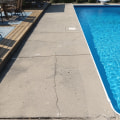
Pool deck repair involves fixing any damage to the surface surrounding a swimming pool. This can include cracks, chips, or discoloration that not only detracts from the visual appeal but can also pose safety hazards. Timely repairs are crucial to prevent further deterioration and ensure a safe environment for pool users.Types of Pool Deck Repairs
- Crack Repair: Small cracks can often be filled with epoxy or concrete sealant, while larger cracks may require more extensive patching.
- Resurfacing: If the surface is significantly worn or damaged, resurfacing may be necessary. This involves applying a new layer of material over the existing deck.
- Tile Replacement: For decks with tile finishes, replacing broken or loose tiles is essential to maintain both safety and aesthetics.
- Sealing: Regular sealing helps protect the surface from moisture and UV damage, prolonging the life of the deck.
Pool Deck Materials
The materials used in pool decks can vary widely, impacting both the repair methods and timelines.Common materials include:
- Concrete: Durable and versatile, concrete is a popular choice for pool decks. Repairs often involve patching or resurfacing.
- Pavers: These interlocking stones provide a unique look but may require individual paver replacement if damaged.
- Wood: Wooden decks offer a natural aesthetic but are susceptible to rot and may need board replacement or refinishing.
- Composite Materials: These are designed to resist fading and moisture but may still require repairs for scratches or dents.
Being aware of these factors will help you plan your repair project more effectively.
Temperature and Its Role in Pool Deck Repair Timelines
When it comes to pool deck repair, temperature plays a crucial role in determining the timeline for project completion. The curing process of materials, particularly concrete, is highly sensitive to temperature fluctuations. Understanding these effects can help homeowners and contractors plan repairs more effectively.Temperature Effects on Concrete Curing
Concrete typically requires specific temperature ranges to cure properly. The ideal temperature for pool deck repair is between 50°F and 85°F.Within this range, the chemical reactions that occur during curing proceed at an optimal pace, allowing the concrete to achieve its intended strength and durability.
Challenges Posed by Extreme Heat
In conditions exceeding 85°F, the curing process can accelerate too quickly, leading to issues such as cracking or surface scaling. To mitigate these risks, contractors may need to implement cooling techniques, such as:- Using retarders in the concrete mix to slow down curing.
- Applying water mist or wet coverings to keep the surface cool.
- Scheduling work during cooler parts of the day.
Cold Weather Repairs
Conversely, temperatures below 50°F can significantly hinder the curing process. In cold weather, concrete may take much longer to set, which can delay the overall timeline for pool deck repair. To address these challenges, contractors often employ strategies such as:- Using heated enclosures or blankets to maintain warmth around the repair area.
- Incorporating accelerators into the concrete mix to promote faster curing.
- Avoiding repairs during extreme cold spells whenever possible.
By planning around these factors, homeowners can avoid unnecessary delays and ensure their pool deck is ready for use as soon as possible.
The Impact of Humidity on Pool Deck Repair Projects
Humidity plays a crucial role in the pool deck repair process, significantly affecting the drying and curing times of materials such as concrete and sealants. Understanding how different humidity levels impact these materials can help homeowners and contractors plan their projects more effectively.Effects of High Humidity
When humidity levels are high, the moisture in the air can slow down the evaporation of water from freshly applied concrete. This can lead to extended curing times, which may delay the overall timeline for completing a pool deck repair. Additionally, high humidity can increase the risk of efflorescence, a white, powdery substance that forms on the surface of concrete as water evaporates.To mitigate these issues:
- Schedule repairs during cooler parts of the day: Early mornings or late afternoons often have lower humidity levels.
- Use additives: Consider using curing compounds that help control moisture loss.
- Ensure proper ventilation: If working in enclosed spaces, use fans to promote air circulation.
Challenges of Low Humidity
Conversely, low humidity can also pose challenges for pool deck repair. In dry conditions, water evaporates quickly from concrete mixes, which can lead to rapid setting times and potentially compromise the integrity of the repair. This can result in cracking or uneven surfaces. To address low humidity challenges:- Moisten surfaces: Pre-wet the area before applying new materials to help retain moisture.
- Use slower-setting products: Opt for concrete mixes designed for dry conditions that allow for longer working times.
- Cover with wet burlap: After application, covering the area with wet burlap can help maintain moisture levels during curing.
Rain and Its Effects on Pool Deck Repair Timelines
When planning a pool deck repair, one of the most significant factors to consider is the impact of rain on the project timeline.Rain can lead to substantial delays, affecting both the repair process and the quality of the work performed.
Rain Delays in Construction
Construction activities are often halted during rain due to safety concerns and the potential for damage to materials. For instance, if concrete is poured during wet conditions, it may not cure properly, leading to cracks and other structural issues. This necessitates additional time for repairs and can extend the overall timeline significantly.
Waterproofing Pool Decks
To mitigate the effects of rain, implementing effective waterproofing techniques is crucial. Waterproofing not only protects the integrity of the pool deck but also allows for repairs to be completed more efficiently.
Using high-quality sealants and membranes can help prevent water infiltration, ensuring that your pool deck remains durable even in adverse weather conditions.
Scheduling Repairs Around Rain Forecasts
When scheduling pool deck repairs, it’s essential to monitor weather forecasts closely. Here are some tips for planning around rainy seasons:
- Check Local Weather Reports: Stay updated on local forecasts to avoid scheduling repairs during predicted rain.
- Choose the Right Season: If possible, plan your repairs during drier months when rain is less likely.
- Have a Contingency Plan: Be prepared to adjust your schedule if unexpected rain occurs, ensuring that you have alternative dates lined up for repairs.
Wind and Its Influence on Pool Deck Repair Projects
Wind can significantly impact the timeline and safety of a pool deck repair project. High winds can create hazardous conditions for workers, making it essential to assess the weather before commencing repairs. When wind speeds exceed a certain threshold, typically around 15-20 mph, it can complicate the application of materials such as concrete, sealants, and coatings.Effects of Wind on Construction:
- Material Application: Wind can cause materials to dry too quickly, leading to improper adhesion and potential failure of the repair.
- Debris and Dust: Wind can carry debris that may interfere with the repair process, potentially damaging newly applied materials.
- Worker Safety: High winds increase the risk of accidents, especially when working at heights or handling large equipment.
- Monitor Weather Conditions: Always check local weather forecasts for wind advisories before starting work.
- Schedule Wisely: Plan repairs for times when wind speeds are lower, typically early mornings or late afternoons.
- Use Windbreaks: If possible, set up barriers or windbreaks to shield the work area from strong gusts.
- Prioritize Safety: Ensure all workers are equipped with safety gear and are trained to handle windy conditions effectively.
Planning Your Pool Deck Repair Around Weather Conditions
When planning your pool deck repair, understanding how weather conditions can affect the timeline is crucial.Different seasons bring varying weather patterns that can either expedite or delay your project. Here are some practical tips to help you schedule your repairs effectively.
Choose the Right Season
Generally, the best time for pool deck repair is during the spring or fall. These seasons typically offer mild temperatures and lower humidity, which are ideal for materials to cure properly. Avoid scheduling repairs during the peak of summer heat or winter cold, as extreme temperatures can compromise the integrity of the repair.Monitor Weather Forecasts
Before starting your project, keep a close eye on local weather forecasts.Sudden rainstorms or unexpected temperature drops can hinder progress and affect the quality of your repairs. Utilize weather apps or websites to stay updated on conditions leading up to your scheduled work.
Consider Seasonal Considerations
- Rain: Heavy rain can wash away materials and delay curing times. Aim for a dry spell when planning your repairs.
- Humidity: High humidity can slow down drying times for sealants and adhesives, so consider this factor when scheduling.
- Temperature: Extreme heat can cause materials to set too quickly, while cold temperatures can prevent proper curing.
This flexibility will help ensure that your pool deck repair is completed efficiently and effectively, resulting in a durable and aesthetically pleasing finish.
Frequently Asked Questions About Weather and Pool Deck Repairs
When it comes to pool deck repair, understanding how weather conditions can affect the timeline of your project is crucial. Here are some frequently asked questions that can help clarify this relationship:- How does rain impact pool deck repairs?
Rain can significantly delay pool deck repair projects. Wet conditions can prevent materials from adhering properly, leading to subpar results. If heavy rain is forecasted, it’s advisable to postpone the repair until the weather clears. - What about extreme heat?
High temperatures can also pose challenges.For instance, concrete may cure too quickly in hot weather, which can lead to cracking. It’s often recommended to schedule repairs during cooler parts of the day or use curing compounds to manage the drying process.
- Can cold weather affect repairs?
Yes, cold temperatures can slow down the curing process of materials used in pool deck repair. If temperatures drop below 50°F (10°C), it may be necessary to use special additives or blankets to ensure proper curing. - What should I do if unexpected weather changes occur?
If you encounter sudden weather changes during your pool deck repair, consult with your contractor immediately. They can provide guidance on whether to continue or pause the project based on current conditions.
Conclusion: Key Takeaways on Weather's Impact on Pool Deck Repairs
In conclusion, understanding how weather conditions affect the timeline for completing a pool deck repair project is crucial for homeowners and contractors alike.The interplay between temperature, humidity, and precipitation can significantly influence both the materials used and the overall progress of the repair work.Key takeaways include:
- Temperature: Ideal temperatures for most repair materials typically range from 50°F to 90°F. Extreme heat can cause rapid drying, while cold temperatures can delay curing times.
- Humidity: High humidity levels can slow down the drying process, leading to potential issues with adhesion and finish quality. Conversely, low humidity can accelerate drying but may also lead to cracking.
- Precipitation: Rain can halt outdoor work and damage uncured materials. Planning repairs during a dry season or monitoring weather forecasts is essential to avoid unexpected delays.
- Wind: Strong winds can affect the application of certain materials, especially when it comes to sealants and coatings, potentially leading to uneven finishes.
Engaging with experienced professionals who understand local weather patterns can further enhance project outcomes, minimizing delays and ensuring high-quality results.