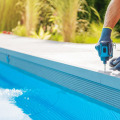
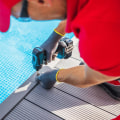
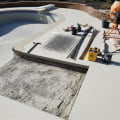
When it comes to pool deck repair, understanding the types of damage that can occur is crucial for maintaining a safe and inviting outdoor space. Over time, pool decks can suffer from a variety of issues, including cracks, discoloration, and surface wear. These problems not only detract from the aesthetic appeal of your pool area but can also pose safety hazards, such as slips and falls. Regular maintenance and timely repairs are essential to ensure that your pool deck remains both functional and visually pleasing. Common types of damage include cracking, which can result from temperature fluctuations or settling ground; spalling, where the surface begins to flake or chip away; and staining, often caused by chemicals or organic materials.
Each of these issues requires different approaches for effective repair. Understanding these types of damage will help you determine whether a DIY solution is feasible or if it’s best to consult a professional. Moreover, the importance of pool deck maintenance cannot be overstated. A well-maintained pool deck not only enhances the overall look of your backyard but also extends the life of the materials used. Regular inspections and prompt repairs can prevent minor issues from escalating into costly repairs down the line.
Whether you choose to tackle repairs yourself or hire a professional, being informed about the potential challenges and solutions will empower you to make the best decision for your pool area.
Common Types of Pool Deck Damage
Understanding the common types of pool deck damage is essential for homeowners looking to maintain their outdoor spaces. Pool decks are exposed to various elements, which can lead to several issues over time.- Cracks: One of the most prevalent problems is cracks in pool decks. These can occur due to temperature fluctuations, settling of the ground, or improper installation. Cracks not only detract from the aesthetic appeal but can also pose safety hazards if left unaddressed.
- Surface Wear: Over time, the surface of a pool deck can become worn due to foot traffic, exposure to chemicals, and weather conditions.
This wear can manifest as rough patches or uneven surfaces, making it uncomfortable for bare feet and potentially leading to slips and falls.
- Discoloration: Another common issue is discoloration, which can result from sun exposure, pool chemicals, or staining from organic materials like leaves and dirt. Discolored areas can make a pool deck look unkempt and may require cleaning or resurfacing to restore its original appearance.
This knowledge will guide homeowners in deciding whether to tackle repairs themselves or seek professional help.
Assessing the Damage: DIY vs. Professional Help
When it comes to pool deck repair, the first step is to thoroughly assess the damage. Understanding the extent of the issues at hand will help you determine whether a DIY approach is feasible or if it’s time to call in a professional. Start by inspecting the surface for cracks, chips, or discoloration.Small cracks
(less than 1/4 inch wide) can often be repaired with a simple patching compound, making them suitable for DIY fixes.However, if you notice larger cracks, significant lifting, or structural issues, it’s advisable to seek professional help.
Signs You Should Hire a Professional
- Extensive Damage: If the damage covers a large area or involves multiple sections of the deck, a professional will have the tools and expertise to handle it effectively.
- Structural Concerns: Any signs of instability or sinking should be addressed immediately by a qualified contractor.
- Complex Repairs: If your pool deck features intricate designs or materials that require specialized knowledge, hiring an expert is the best course of action.
- Patching Cracks: Use a concrete patching compound to fill in small cracks. Ensure the area is clean and dry before application.
- Resurfacing: For decks that have lost their luster, resurfacing can rejuvenate the appearance. This process involves applying a new layer of concrete or coating over the existing surface.
- Sealing: After repairs, sealing your pool deck can protect it from future damage and enhance its longevity.
If at any point you feel unsure about your ability to complete repairs safely and effectively, don’t hesitate to reach out to a professional. They can provide peace of mind and ensure that your pool deck remains safe and beautiful for years to come.
DIY Pool Deck Repair Options
When it comes to pool deck repair, many homeowners may feel overwhelmed by the prospect of tackling repairs themselves. However, there are several DIY pool deck repair methods that can save you time and money while restoring your deck to its former glory.Repairing Cracks in Your Pool Deck
Cracks are a common issue in pool decks, often caused by weather changes or settling. Here’s a simple step-by-step guide to repairing cracks:- Clean the Area: Use a wire brush or pressure washer to remove any debris, dirt, or loose material from the crack.
- Prepare the Filler: Choose a concrete crack filler suitable for your pool deck material.
Follow the manufacturer’s instructions for mixing if necessary.
- Apply the Filler: Using a caulking gun, fill the crack with the filler, ensuring it is slightly overfilled to allow for settling.
- Smooth the Surface: Use a putty knife to smooth out the filler, making it level with the surrounding surface.
- Allow to Cure: Let the filler cure as per the product instructions before using the pool area again.
Resurfacing Options
If your pool deck has seen better days and requires more than just crack repairs, resurfacing can be an effective solution. Here are some popular resurfacing options:- Concrete Overlay: This involves applying a thin layer of new concrete over the existing surface. It can be stamped or stained for added aesthetics.
- Poured Rubber: A flexible and slip-resistant option that provides a cushioned surface, ideal for pool areas.
- Epoxy Coating: This durable option not only enhances appearance but also protects against water damage and UV rays.
Tools and Materials Needed for DIY Repairs
When considering DIY pool deck repair, having the right tools and materials is crucial for a successful project.Below is a list of essential items you will need, along with estimated costs to help you budget effectively.
Essential Tools
- Concrete Mixer: If you're working with concrete, a mixer will save you time and ensure a consistent mix. Estimated cost: $100 - $300.
- Trowel: A hand trowel is essential for applying and smoothing out concrete or patching materials. Estimated cost: $10 - $30.
- Chisel and Hammer: Useful for removing damaged sections of the deck. Estimated cost: $15 - $25.
- Pressure Washer: To clean the surface before repairs, ensuring better adhesion of materials.
Estimated cost: $50 - $200.
- Safety Gear: Don’t forget gloves, goggles, and a dust mask to protect yourself during the repair process. Estimated cost: $20 - $50.
Materials for Repairs
- Concrete Patch or Resurfacer: This is essential for filling cracks or resurfacing the entire deck. Estimated cost: $30 - $100 per bag.
- Sealant: A good sealant will protect your repairs from water damage and UV rays. Estimated cost: $20 - $50 per gallon.
- Paint or Stain: If you want to refresh the look of your pool deck, consider using a specialized outdoor paint or stain.
Estimated cost: $30 - $70 per gallon.
Safety Precautions When Repairing Your Pool Deck
When undertaking pool deck repair projects, safety should always be your top priority. Whether you are working with concrete, sealants, or other materials, adhering to safety precautions can prevent accidents and ensure a successful repair.Protective Gear
- Safety Glasses: Always wear safety glasses to protect your eyes from dust and debris.
- Gloves: Use heavy-duty gloves to shield your hands from sharp tools and harsh chemicals.
- Dust Masks: If you are sanding or grinding, a dust mask will help prevent inhalation of harmful particles.
- Steel-Toed Boots: Protect your feet from heavy materials that may fall during the repair process.
Handling Materials Safely
When working with concrete and sealants, it’s crucial to follow specific handling guidelines:- Read Labels: Always read the labels on products for safety instructions and proper usage.
- Mix in a Well-Ventilated Area: Ensure that you mix concrete or sealants in an area with good airflow to avoid inhaling fumes.
- Avoid Skin Contact: Many sealants can cause skin irritation; use tools instead of your hands whenever possible.
Tool Safety
Using tools correctly is essential for both your safety and the quality of your pool deck repair. Here are some tips:- Inspect Tools: Before use, check that all tools are in good working condition and free from damage.
- Follow Instructions: Always follow the manufacturer’s instructions for any tools you are using.
- Keep Work Area Clean: A tidy workspace reduces the risk of tripping or accidents.
Remember, if at any point you feel unsure about the repairs, it’s wise to consult a professional to ensure the job is done safely and correctly.
When to Call a Professional for Pool Deck Repairs
While DIY repairs can be tempting for pool deck repair, there are specific scenarios where calling a professional is not just advisable but necessary. Understanding these situations can save you time, money, and potential safety hazards.Signs You Need a Pro
- Extensive Damage: If your pool deck has large cracks, significant lifting, or extensive wear, it may require specialized tools and materials that only professionals possess.
- Structural Issues: Any signs of structural instability, such as sinking or uneven surfaces, should prompt an immediate call to a professional. These issues can lead to further complications if not addressed properly.
- Water Drainage Problems: If water is pooling on your deck instead of draining away, this could indicate underlying issues that need expert assessment.
- Complex Repairs: Tasks like resurfacing or replacing large sections of the deck often require expertise and experience that DIY methods lack.
Benefits of Professional Services
Hiring a professional for pool deck repair comes with several advantages:- Expertise: Professionals have the training and experience to identify underlying issues that may not be visible to the untrained eye.
- Quality Materials: They have access to high-quality materials that ensure durability and longevity of the repairs.
- Time Efficiency: Professionals can complete repairs more quickly than most DIY enthusiasts, minimizing disruption to your pool usage.
Cost of Hiring a Professional
The cost of hiring a professional for pool deck repair can vary widely based on several factors:- Extent of Damage: More extensive damage will naturally incur higher costs due to the increased labor and materials required.
- Location: Prices can vary based on geographic location and local market rates for labor.
- Type of Repair: Simple repairs may cost less than complex resurfacing or structural work.
Frequently Asked Questions About Pool Deck Repair
When it comes to pool deck repair, many homeowners have questions about whether to tackle the job themselves or hire a professional.Here are some frequently asked questions that can help clarify your options:
- What are common DIY pool deck repairs? Many homeowners can handle minor repairs such as filling cracks, resurfacing, or applying sealants. Products like concrete patching compounds and resurfacing kits are readily available at home improvement stores.
- How do I know if my pool deck needs repair? Look for signs such as cracks, discoloration, or uneven surfaces. If you notice water pooling in certain areas or if the surface feels rough, it may be time for repairs.
- What tools do I need for DIY repairs? Basic tools include a concrete mixer, trowel, broom, and safety gear like gloves and goggles. For larger jobs, you might also need a pressure washer to clean the surface before repairs.
- Are there risks associated with DIY pool deck repair? Yes, improper repairs can lead to further damage or safety hazards.
If you're unsure about your skills or the extent of the damage, consulting a professional is advisable.
- When should I hire a professional? If the damage is extensive, such as large cracks or structural issues, it's best to hire a professional. They have the expertise and equipment to ensure the job is done correctly and safely.
Conclusion: Making the Right Choice for Your Pool Deck Repair Needs
In conclusion, when it comes to pool deck repair, the decision between DIY options and hiring a professional should be made with careful consideration of several factors. First and foremost, accurately assessing the extent of the damage is crucial.Minor issues such as small cracks or surface stains may be manageable for a DIY enthusiast, especially with the right tools and materials. However, more significant problems, such as structural damage or extensive wear, often require the expertise of a professional.Here are some key points to consider:
- Skill Level: Evaluate your own skills and experience. If you have prior experience with similar repairs, you may feel confident tackling minor repairs yourself.
- Time Commitment: DIY repairs can be time-consuming. Consider whether you have the time to dedicate to the project without compromising quality.
- Cost vs.
Quality:
While DIY may save money upfront, poor execution can lead to more costly repairs down the line. Weigh the potential savings against the risk of inadequate work. - Safety Concerns: Some repairs may involve safety risks, particularly if heavy materials or chemicals are involved. Professionals are trained to handle these safely.