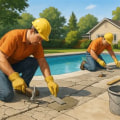
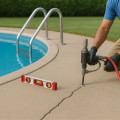
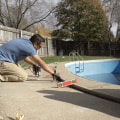
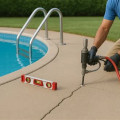
When it comes to maintaining a safe and aesthetically pleasing outdoor space, pool deck repair is an essential aspect that often goes overlooked. The pool deck serves as the foundation for your swimming area, providing not only a functional surface for lounging and walking but also enhancing the overall appeal of your backyard. Over time, exposure to the elements, heavy foot traffic, and the natural settling of materials can lead to various issues such as cracks, uneven surfaces, and discoloration. Understanding what pool deck repair entails is crucial for homeowners who want to preserve their investment and ensure safety for family and guests. The importance of pool deck repair cannot be overstated.
A damaged pool deck can pose serious safety hazards, including slips and falls, which can lead to injuries. Additionally, neglecting repairs can result in more extensive damage over time, leading to costly renovations or replacements. By addressing minor issues promptly, homeowners can maintain a safe environment while also enhancing the visual appeal of their outdoor space. This proactive approach not only protects your family but also adds value to your property. In the following sections, we will delve deeper into the common materials used for pool deck repairs.
From concrete and pavers to innovative resurfacing options, understanding these materials will equip you with the knowledge needed to make informed decisions about your pool deck maintenance. Whether you're dealing with minor cracks or significant wear and tear, knowing what materials are available will help you restore your pool deck to its former glory.
Common Materials Used in Pool Deck Repairs
When it comes to pool deck repair, selecting the right materials is crucial for ensuring durability and aesthetic appeal. Various materials are available, each with unique properties that cater to different types of damage and environmental conditions.1.Concrete Concrete is one of the most common materials used for pool deck repairs. It is highly durable and can withstand the elements, making it ideal for outdoor settings.When repairing a concrete pool deck, options include:
- Concrete Resurfacer: This is a thin layer applied over existing concrete to restore its appearance and provide a slip-resistant surface.
- Patch Compounds: These are used to fill cracks and holes, ensuring a smooth finish.
Pressure-treated wood or composite materials can enhance durability and reduce maintenance needs.4.Epoxy Coatings Epoxy coatings are often used to seal and protect concrete surfaces from water damage and staining. They provide a glossy finish that enhances the overall appearance of the pool deck while offering excellent resistance to chemicals commonly found in pool water.5.Rubber Decking This material is gaining popularity due to its slip-resistant properties and comfort underfoot. Rubber decking is often used in areas around the pool where safety is a concern, especially for families with children. In conclusion, choosing the right material for pool deck repair depends on various factors such as the type of damage, desired aesthetics, and maintenance requirements. Understanding these materials will help homeowners make informed decisions that enhance both safety and visual appeal.
Concrete: The Most Popular Choice
When it comes to pool deck repair, concrete stands out as the most popular choice among homeowners and contractors alike.Its widespread use can be attributed to several key factors that make it an ideal material for this specific application.
Durability
is one of the primary reasons for concrete's popularity. A well-installed concrete pool deck can withstand the elements, including harsh sunlight, heavy rain, and fluctuating temperatures. This resilience ensures that your pool deck remains intact and visually appealing for years to come, reducing the need for frequent repairs.Another significant advantage of concrete is its cost-effectiveness. Compared to other materials like natural stone or pavers, concrete is generally more affordable.
The initial investment is lower, and its longevity means that homeowners save money in the long run by avoiding frequent replacements or extensive maintenance.Additionally, the ease of application makes concrete a favored option for pool deck repairs. Skilled contractors can quickly pour and finish concrete, minimizing downtime for your pool area. This efficiency is particularly beneficial during peak swimming season when homeowners want to ensure their pools are ready for use.Concrete also offers versatility in design. Homeowners can choose from various finishes, colors, and textures to complement their outdoor aesthetics.
Options like stamped concrete or decorative overlays allow for a customized look without sacrificing durability.In summary, when considering pool deck repair, concrete emerges as a top contender due to its durability, cost-effectiveness, ease of application, and design versatility. These attributes not only enhance the functionality of your pool area but also contribute to its overall appeal.
Pavers: A Versatile Option
When it comes to pool deck repair, pavers stand out as a highly versatile option. These interlocking stones not only enhance the aesthetic appeal of your pool area but also offer practical benefits that make them a popular choice among homeowners.Advantages of Pavers for Pool Decks
- Durability: Pavers are designed to withstand heavy foot traffic and harsh weather conditions, making them an ideal choice for pool decks that experience frequent use.
- Design Flexibility: Available in various colors, shapes, and sizes, pavers allow homeowners to create unique patterns and designs that complement their outdoor space.
- Easy Repairs: In the event of damage, individual pavers can be easily replaced without the need to redo the entire deck, making maintenance straightforward and cost-effective.
- Slip Resistance: Many paver options come with textured surfaces that provide better traction, reducing the risk of slips and falls around the pool area.
- Eco-Friendly Options: Some pavers are made from recycled materials or permeable designs that allow water to drain through, promoting sustainability in your outdoor environment.
Furthermore, the ability to mix and match different styles of pavers means you can easily update the look of your pool deck without extensive renovations.Overall, choosing pavers for your pool deck repair not only enhances the visual appeal of your space but also provides long-lasting functionality and ease of maintenance. Whether you're looking to replace damaged sections or simply refresh the look of your pool area, pavers offer a reliable solution that meets both aesthetic and practical needs.
Wood: A Natural Look with Challenges
When considering pool deck repair, wood is often a popular choice due to its natural beauty and ability to blend seamlessly with outdoor environments. However, while wood offers an appealing aesthetic, it also comes with its own set of challenges that homeowners should be aware of.Pros of Wood Pool Decks
- Visual Appeal: Wood provides a warm, inviting look that enhances the overall ambiance of your pool area.
- Comfort: Wooden surfaces tend to stay cooler underfoot compared to concrete or stone, making them more comfortable for bare feet.
- Versatility: Wood can be easily customized with various stains and finishes, allowing homeowners to achieve their desired look.
Cons of Wood Pool Decks
- Maintenance: Wood requires regular maintenance, including sealing and staining, to protect it from moisture and UV damage.
- Durability: Compared to other materials like composite or concrete, wood is more susceptible to rot, warping, and insect damage.
- Cost: High-quality wood can be expensive, and ongoing maintenance costs can add up over time.
Regular inspections and timely repairs can help mitigate some of the challenges associated with wooden decks, allowing you to enjoy their natural charm for years to come.
Composite Materials: The Best of Both Worlds?
When it comes to pool deck repair, composite materials have emerged as a popular choice among homeowners and contractors alike. These materials combine the best features of wood and plastic, offering a unique solution that is both durable and aesthetically pleasing.Benefits of Composite Materials for Pools
- Durability: Composite materials are engineered to withstand harsh weather conditions, UV exposure, and moisture, making them ideal for poolside environments. Unlike traditional wood, they do not warp, crack, or splinter over time.
- Low Maintenance: One of the most significant advantages of composite materials is their low maintenance requirements. They do not require regular sealing or staining, which saves both time and money in the long run.
- Slip Resistance: Many composite decking options come with textured surfaces that provide excellent traction, reducing the risk of slips and falls around the pool area.
- Eco-Friendly: Most composite materials are made from recycled plastics and wood fibers, making them a more sustainable choice compared to traditional decking options.
- Aesthetic Versatility: Available in a variety of colors and finishes, composite materials can easily complement any pool design or landscape, enhancing the overall look of your outdoor space.
Their unique properties make them an excellent investment for anyone looking to improve their pool area without the hassle of frequent repairs or upkeep.
Resurfacing Options: When to Consider Them
When it comes to pool deck repair, resurfacing is often a viable option to restore the appearance and functionality of your outdoor space. Resurfacing can be an effective solution when your pool deck shows signs of wear, such as cracks, discoloration, or surface damage. Here are some common materials used for pool deck resurfacing and when to consider them:- Concrete Overlay: This is one of the most popular options for resurfacing. A concrete overlay can provide a fresh look while adding durability.
It’s ideal for decks with minor cracks and surface imperfections.
- Stamped Concrete: If you want to enhance the aesthetic appeal of your pool area, stamped concrete can mimic the look of stone or tile. This option is suitable when you want to upgrade the visual aspect of your pool deck while addressing minor damage.
- Epoxy Coatings: Epoxy is a strong, durable material that can withstand harsh weather conditions. It’s perfect for decks that experience heavy foot traffic or exposure to chemicals from pool maintenance. Consider this option if your deck has significant wear and tear.
- Rubber Decking: For those looking for a softer surface that provides excellent traction, rubber decking is a great choice.
It’s particularly beneficial for families with children or pets, as it reduces the risk of slips and falls.
- Cracks and Chips: If you notice multiple cracks or chips in the surface, it’s a clear sign that resurfacing is needed.
- Fading Color: A significant loss of color can detract from the overall appearance of your pool area, making resurfacing a worthwhile investment.
- Pitting or Spalling: These issues not only affect aesthetics but can also lead to further damage if not addressed promptly.
Repair Techniques: Choosing the Right Method
When it comes to pool deck repair, selecting the right method is crucial for ensuring durability and aesthetic appeal. Different materials require specific techniques to achieve optimal results.Here are some common repair techniques based on the material of your pool deck:
- Concrete Repair: For concrete pool decks, techniques such as crack filling and resurfacing are popular. Crack fillers can be injected into fissures to prevent water infiltration, while resurfacing involves applying a new layer of concrete to restore the surface.
- Wood Deck Repair: Wooden pool decks often suffer from rot and warping. The best approach is to replace damaged boards and treat the remaining wood with a protective sealant to prevent future issues.
- Paver Repair: If your pool deck is made of pavers, lifting and resetting individual stones can address uneven surfaces. Additionally, replacing broken pavers with new ones ensures a cohesive look.
- Tile Repair: For tiled pool decks, replacing cracked or chipped tiles is essential.
Use a chisel to remove damaged tiles and apply adhesive for new ones, ensuring proper alignment.
Frequently Asked Questions about Pool Deck Repair Materials
When it comes to pool deck repair, many homeowners have questions about the materials that are best suited for the job. Understanding these materials can help you make informed decisions and ensure a durable and aesthetically pleasing result.What are the most common materials used for pool deck repairs?
- Concrete: This is one of the most popular materials for pool decks due to its durability and versatility.
It can be easily repaired with patching compounds or resurfacing techniques.
- Wood: Wooden decks can provide a warm, natural look but may require more maintenance. Repairs often involve replacing damaged boards or applying sealants to protect against water damage.
- Pavers: These are individual stones or bricks that can be replaced easily if damaged. They offer a variety of design options and are resistant to cracking.
- Tile: Pool tiles are often used for their aesthetic appeal and slip resistance. Repairing tiles typically involves replacing broken pieces or re-grouting.
- Composite Materials: Made from a blend of wood fibers and plastic, composite materials are resistant to rot and fading, making them a great option for pool decks.
How do I choose the right material for my pool deck repair?
Choosing the right material depends on several factors:- Climate: Consider your local weather conditions.
Some materials perform better in extreme heat or cold.
- Aesthetic Preferences: Think about the overall look you want to achieve. Different materials offer various styles and colors.
- Budget: Some materials may be more expensive than others, so it's essential to consider your budget when selecting repair options.
- Maintenance Requirements: Some materials require more upkeep than others. Choose one that fits your lifestyle and willingness to maintain it.
Conclusion: Making Informed Choices for Pool Deck Repairs
In conclusion, making informed choices for pool deck repair is crucial for ensuring the longevity and safety of your outdoor space. Throughout this article, we have explored various materials commonly used in pool deck repairs, each with its own set of advantages and considerations. When selecting the right material, it is essential to consider factors such as durability, cost, and maintenance.For instance, concrete is a popular choice due to its strength and versatility, while pavers offer aesthetic appeal and ease of replacement. On the other hand, materials like wood or composite decking can provide a warm, natural look but may require more frequent upkeep. Additionally, understanding the specific conditions of your pool area can guide your decision. For example:
- Climate: In areas with extreme weather, materials that can withstand temperature fluctuations are preferable.
- Usage: High-traffic areas may benefit from more robust materials that resist wear and tear.
- Aesthetic Preferences: Choose materials that complement your home’s design and landscaping.