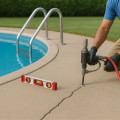
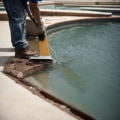
Pool decks are designed to provide a durable, attractive, and functional space surrounding residential and commercial swimming pools. Property owners often invest significant time and resources into selecting quality materials, professional installation methods, and ongoing maintenance practices to preserve the appearance and performance of these outdoor surfaces. When cracks, uneven sections, staining, or structural deterioration begin to appear, many people assume the damage is simply the result of age, weather exposure, or heavy foot traffic. While these factors certainly contribute to wear over time, one often-overlooked cause of premature pool deck damage is hidden plumbing leaks. Because plumbing systems associated with pools and surrounding properties frequently operate beneath the surface, leaks can remain undetected for extended periods while gradually undermining the structural stability of the deck above.
Underground Moisture Can Destabilize Supporting Soil
A pool deck depends on a stable foundation to maintain its strength and appearance. Beneath the visible surface lies a carefully prepared base designed to support the weight of the deck and distribute loads evenly. When plumbing leaks develop underground, excess moisture can accumulate within the supporting soil. Over time, this saturation may weaken the soil's ability to provide consistent support. As moisture levels fluctuate, sections of soil can expand, compress, or shift, creating uneven conditions beneath the deck. These movements often result in cracks, settling, lifting, or surface irregularities that become visible long after the leak first develops. Because the damage progresses gradually, property owners may not immediately recognize the connection between underground plumbing issues and deck deterioration.
Plumbing Leaks Can Accelerate Structural Stress
The effects of hidden plumbing leaks extend beyond simple soil saturation. As water continuously escapes from damaged pipes, it can alter the natural moisture balance surrounding the pool structure and deck system. Some areas may experience excessive softening, while others remain relatively dry, creating uneven pressure across the deck's foundation. This imbalance places additional stress on concrete, pavers, decorative coatings, and other deck materials. Even well-constructed pool decks may struggle to withstand these changing conditions over time. What initially appears to be minor cosmetic cracking can eventually develop into more significant structural concerns if the underlying moisture problem remains unresolved.
Pool Plumbing and Household Plumbing Both Matter
Many property owners assume that only pool-specific plumbing systems can affect pool deck performance. However, household plumbing infrastructure located near the pool area may also contribute to hidden moisture problems. Water supply lines, irrigation systems, drainage pipes, and sewer connections that run beneath or adjacent to outdoor living spaces can all create conditions that affect deck stability if leaks occur. This broader perspective is important because the source of moisture may not always originate from the pool itself. Identifying the true cause of water intrusion often requires a thorough evaluation of all nearby plumbing systems and underground utility connections.
Early Detection Helps Prevent Expensive Repairs
One of the challenges associated with plumbing-related deck damage is that visible signs often appear only after significant deterioration has already occurred. By the time cracks, settlement, or surface displacement become noticeable, the underlying leak may have been active for months or even years. Preventive inspections and timely plumbing evaluations can help identify these hidden problems before extensive damage develops. Experienced professionals, including companies such as Brightwater Plumbing, often use specialized diagnostic techniques to locate leaks and assess their impact on surrounding structures. Addressing plumbing issues early can significantly reduce repair costs and help preserve the integrity of both the pool deck and the property's overall infrastructure.
Protecting Long-Term Pool Deck Performance
A well-maintained pool deck depends not only on quality construction and surface care but also on the condition of the systems operating beneath it. Hidden plumbing leaks have the potential to compromise soil stability, increase structural stress, and accelerate surface deterioration. By recognizing the connection between underground plumbing performance and deck longevity, property owners can take proactive steps to protect their investments. Regular inspections, preventive maintenance, and prompt leak repairs help ensure that pool decks remain safe, attractive, and structurally sound for many years to come.