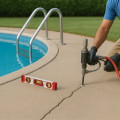
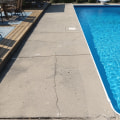
A pool deck serves as more than just an aesthetic addition to your swimming area; it plays a crucial role in the overall functionality and safety of your pool. This surface, which surrounds the pool, provides a safe space for swimmers to enter and exit the water, as well as a place for lounging and socializing. However, the importance of a well-maintained pool deck extends beyond mere convenience. It is integral to the structural integrity of the entire pool system.When a pool deck is damaged—whether due to cracks, uneven surfaces, or deterioration from weather elements—it can lead to significant issues that affect not only the deck itself but also the pool structure beneath.
For instance, cracks in the deck can allow water to seep into areas where it shouldn't, potentially undermining the foundation of the pool and leading to costly repairs. Furthermore, a compromised deck can pose safety hazards for users, increasing the risk of slips and falls.Understanding the importance of pool deck repair is essential for any pool owner. Regular maintenance and timely repairs can prevent minor issues from escalating into major structural problems. By addressing damage promptly, you not only preserve the aesthetic appeal of your outdoor space but also ensure that your pool remains safe and functional for years to come.
In this article, we will explore how a damaged pool deck can impact the overall integrity of your pool and why investing in repairs is crucial for long-term enjoyment.
What is a Pool Deck?
A pool deck is the area surrounding a swimming pool, serving both functional and aesthetic purposes. It provides a safe and comfortable space for pool users to walk, lounge, and socialize. The design and materials used for a pool deck can significantly influence the overall look and feel of the pool area, as well as its safety and durability.Types of Pool Decks
- Concrete Pool Decks: One of the most common types, concrete decks are durable and can be customized with various finishes, colors, and textures.
- Wood Pool Decks: Offering a natural look, wood decks require regular maintenance to prevent rot and splintering but provide a warm aesthetic.
- Paver Pool Decks: Made from bricks or stones, paver decks are versatile and allow for creative designs. They are also easy to repair since individual pavers can be replaced.
- Tile Pool Decks: Often used for their elegant appearance, tile decks can be slippery when wet but are available in various styles and colors.
- Composite Pool Decks: Made from a blend of wood fibers and plastic, composite decks offer the look of wood without the high maintenance requirements.
Pool Deck Materials
The choice of materials for a pool deck is crucial as it affects not only the appearance but also the safety and longevity of the deck.Common materials include:
- Concrete: Known for its strength and versatility, concrete can be stamped or stained to create unique designs.
- Wood: While aesthetically pleasing, wood requires treatment to withstand moisture and prevent decay.
- Pavers: These are durable and allow for drainage, reducing the risk of slips.
- Tile: Available in various styles, tiles can enhance the visual appeal but may require additional safety measures to prevent slipping.
- Composite Materials: These are gaining popularity due to their low maintenance needs and resistance to weathering.
Signs of Damage in Pool Decks
Identifying pool deck damage early can save you from costly repairs and ensure the safety of your swimming area. Here are some common signs to look for:- Cracks: Small cracks can develop into larger fissures over time. If you notice any cracks in your pool deck, it’s essential to assess their size and depth.
Hairline cracks may be minor, but larger cracks can indicate serious structural issues.
- Uneven Surfaces: A level pool deck is crucial for safety. If you notice any areas that are sinking or heaving, this could be a sign of underlying problems that need immediate attention.
- Discoloration: Stains or discoloration on your pool deck can indicate water damage or mold growth. These issues not only affect the aesthetics of your pool area but can also lead to slippery surfaces, increasing the risk of accidents.
- Pooling Water: If water is not draining properly from your pool deck, it can lead to further damage. Standing water can erode the surface and create a breeding ground for mold and mildew.
- Loose Tiles or Pavers: If your pool deck is made of tiles or pavers, check for any that are loose or shifting.
This can compromise the integrity of the entire deck and may require pool deck repair.
How Damaged Pool Decks Affect Structural Integrity
A damaged pool deck can significantly impact the overall structural integrity of your pool, leading to a range of stability concerns. When the surface of the pool deck is compromised, it can create a domino effect that affects not only the deck itself but also the pool's foundation and surrounding areas.One of the primary ways a damaged pool deck affects structural integrity is through water infiltration.Cracks and gaps in the deck allow water to seep into the ground beneath, which can erode soil and destabilize the base of the pool. This erosion can lead to uneven settling, causing further cracks in both the deck and the pool walls.Additionally, a compromised deck can lead to pool stability concerns. If the deck shifts or settles unevenly, it may put undue stress on the pool walls. This stress can result in structural issues such as:
- Cracking of the pool walls
- Leaking from plumbing or filtration systems
- Shifting of tiles or coping around the pool edge
Uneven surfaces can lead to slips and falls, making it essential to address any issues promptly. Regular pool deck repair not only enhances safety but also preserves the aesthetic appeal of your outdoor space.In conclusion, neglecting a damaged pool deck can have serious repercussions for your entire pool structure. By prioritizing timely repairs, you can maintain both the safety and longevity of your swimming area.
The Risks of Ignoring Pool Deck Damage
Neglecting pool deck repair can lead to a myriad of risks that extend beyond mere aesthetics. A damaged pool deck can create significant safety hazards for users, particularly children and elderly individuals who may be more susceptible to slips and falls.Cracks, uneven surfaces, and loose tiles can all contribute to an unsafe environment around the pool.Moreover, the consequences of ignoring these issues can escalate quickly. For instance, small cracks can allow water to seep beneath the surface, leading to further deterioration of the deck and potentially compromising the structural integrity of the entire pool area. This not only increases repair costs but may also necessitate more extensive renovations that could have been avoided with timely maintenance.
- Increased Repair Costs: What starts as a minor issue can snowball into a major expense if left unaddressed. Regular pool deck repair can save homeowners from costly overhauls.
- Liability Issues: If someone is injured due to a neglected pool deck, homeowners may face legal repercussions.
This could lead to lawsuits and increased insurance premiums.
- Decreased Property Value: A well-maintained pool area enhances property value, while a damaged deck can deter potential buyers and lower market appeal.
Pool Deck Repair Options
When it comes to pool deck repair, homeowners have several options to consider, each with its own set of advantages and challenges. Understanding these methods can help you make an informed decision on how to restore your pool deck effectively.Common Pool Deck Repair Methods
- Crack Filling: For minor cracks, using a high-quality crack filler can be an effective solution.
This method is relatively simple and can be done by homeowners with basic tools.
- Resurfacing: If the surface of your pool deck is worn or stained, resurfacing can provide a fresh look. This involves applying a new layer of material over the existing deck, which can also help to cover up imperfections.
- Overlay Systems: For more extensive damage, overlay systems offer a durable solution. These systems involve applying a new layer of concrete or polymer that can withstand the elements and heavy foot traffic.
- Replacement: In cases where the damage is severe, complete replacement of the pool deck may be necessary. This option is more costly but ensures long-term integrity.
DIY vs Professional Repair
Deciding between DIY repairs and hiring a professional depends on several factors, including the extent of the damage and your level of expertise.- DIY Repairs: If you have experience with home improvement projects, minor repairs like crack filling or resurfacing can be tackled on your own.
DIY methods are cost-effective but require time and effort.
- Professional Services: For significant damage or complex repairs, hiring a professional is often the best choice. Professionals have the tools and expertise to ensure that repairs are done correctly and safely, which can save you time and potential future costs.
Preventative Measures for Pool Deck Maintenance
Maintaining your pool deck is essential not only for aesthetic appeal but also for ensuring its longevity and structural integrity. Here are some effective pool deck maintenance tips to help you prevent damage and keep your deck in top condition.- Regular Cleaning: Debris, dirt, and algae can accumulate on your pool deck, leading to slippery surfaces and potential damage. Regularly sweep and wash the deck with a mild detergent to remove any buildup.
- Inspect for Cracks: Periodically check for cracks or chips in the surface.
Small issues can quickly escalate into larger problems if not addressed promptly. Use a suitable filler for minor cracks to prevent water infiltration.
- Sealant Application: Applying a high-quality sealant every few years can protect your pool deck from moisture and UV damage. This barrier helps to prevent staining and extends the life of the material.
- Proper Drainage: Ensure that water drains away from the pool deck. Poor drainage can lead to standing water, which may cause erosion or cracking over time.
Consider installing drainage solutions if necessary.
- Temperature Considerations: Be mindful of temperature fluctuations. Extreme heat can cause materials to expand, while cold can lead to contraction. Choose materials that are resilient to these changes when installing or repairing your pool deck.
FAQs About Pool Deck Repair and Structural Integrity
When it comes to pool deck repair, many homeowners have questions about how a damaged pool deck can impact the overall structural integrity of their pool.Here are some frequently asked questions that can help clarify these concerns:
- Can a damaged pool deck lead to structural issues?
Yes, a damaged pool deck can potentially lead to structural issues. Cracks and uneven surfaces can allow water to seep into the underlying materials, which may compromise the stability of the pool structure over time. - What are the signs that my pool deck needs repair?
Look for visible cracks, uneven surfaces, or pooling water on the deck. These signs indicate that repairs are necessary to prevent further damage. - How does moisture affect the pool deck and pool structure?
Excess moisture can weaken the foundation of both the pool and the deck. If water is not properly drained away from the area, it can erode the soil beneath, leading to settling or shifting. - Is it safe to use a pool with a damaged deck?
Using a pool with a damaged deck can be risky.Not only does it pose a safety hazard due to tripping or slipping, but it may also indicate underlying issues that could affect the pool's integrity.
- How often should I inspect my pool deck?
Regular inspections at least once a year are recommended. However, after severe weather events or noticeable changes in your deck's condition, you should conduct an immediate assessment.
Conclusion: The Importance of Timely Pool Deck Repairs
In conclusion, the significance of timely pool deck repairs cannot be overstated. A damaged pool deck is not merely an aesthetic concern; it poses serious risks to the overall structural integrity of your pool.As we have discussed, cracks, uneven surfaces, and other forms of damage can lead to water infiltration, which may compromise the foundation of the pool itself.Addressing these issues promptly is essential for several reasons:
- Safety: A damaged pool deck can create hazardous conditions for swimmers and guests. Uneven surfaces can lead to slips and falls, increasing the risk of injury.
- Cost-Effectiveness: Ignoring minor repairs can lead to more extensive damage over time, resulting in costly repairs or even the need for a complete deck replacement. Investing in pool deck repair now can save you money in the long run.
- Preservation of Property Value: A well-maintained pool area enhances the overall appeal of your property. Timely repairs help maintain its value and attractiveness to potential buyers.
- Structural Integrity: As highlighted earlier, a compromised pool deck can affect the entire pool structure.
Ensuring that your deck is in good condition helps maintain the stability and longevity of your pool.