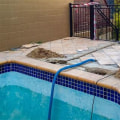
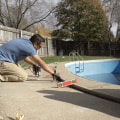
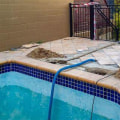
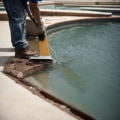
A pool deck serves as a vital extension of your swimming area, providing a space for relaxation, entertainment, and safety. Typically constructed from materials such as concrete, pavers, or wood, these surfaces are designed to withstand the elements while enhancing the aesthetic appeal of your backyard. However, the proximity of a pool deck to trees and other landscaping features can introduce unique challenges that may compromise its integrity over time. One of the primary vulnerabilities of pool decks is the impact of tree roots. As trees grow, their roots can expand beneath the surface, leading to cracks and uneven surfaces that not only detract from the visual appeal but also pose safety hazards.
Additionally, falling leaves and debris can accumulate in and around the pool area, contributing to moisture retention and potential mold growth. These factors necessitate regular maintenance and prompt pool deck repair to ensure longevity. Understanding the materials used in your pool deck is crucial for identifying potential vulnerabilities. For instance, while concrete is durable, it can crack under pressure or due to temperature fluctuations. On the other hand, wooden decks may suffer from rot or insect damage if not properly treated.
By recognizing these risks early on, homeowners can take proactive measures to protect their investment and maintain a safe environment for family and guests.
Common Issues Faced by Pool Decks Near Trees
Pool decks located near trees often face a variety of challenges that can compromise their integrity and aesthetics. Understanding these common issues is essential for effective pool deck repair.- Root Intrusion: One of the most significant problems is the intrusion of tree roots. As trees grow, their roots can extend beneath the surface, causing cracks and upheaval in the pool deck. This not only affects the appearance but can also create safety hazards.
- Water Drainage Issues: Trees can obstruct proper water drainage around the pool area.
Leaves and debris can accumulate in gutters and drains, leading to water pooling on the deck. This excess moisture can weaken the materials over time, promoting mold growth and further damage.
- Debris Accumulation: Trees shed leaves, twigs, and other organic matter that can clutter the pool deck. This debris not only detracts from the visual appeal but can also lead to staining and require more frequent cleaning and maintenance.
If you notice cracks or uneven surfaces, it may be time to consult a professional for pool deck repair. They can assess the situation and recommend solutions such as root barriers, improved drainage systems, or resurfacing options to restore your deck's functionality and beauty.
Assessing the Damage: When to Repair Your Pool Deck
When it comes to pool deck repair, the first step is to thoroughly assess the damage. Identifying the signs of deterioration early can save you time and money in the long run. Here are some common indicators that your pool deck may need attention:- Cracks: Small cracks can develop into larger fissures if not addressed promptly.
Look for any visible cracks, especially those that seem to widen over time.
- Uneven Surfaces: If you notice any areas of your pool deck that are uneven or have settled, this could indicate underlying issues that require repair.
- Discoloration: Stains or fading can be a sign of wear and tear, often exacerbated by nearby trees or landscaping features that may contribute to moisture retention.
- Pooling Water: If water tends to pool in certain areas after rain, it may indicate drainage issues that need to be resolved to prevent further damage.
- Immediate Action: If you notice large cracks or significant unevenness, it’s best to address these issues as soon as possible.
- Seasonal Changes: Before winter or heavy rain seasons, inspect your pool deck for any signs of damage. Repairing before these seasons can prevent further deterioration.
- Regular Maintenance Checks: Schedule regular inspections of your pool deck, especially if it’s located near trees or landscaping that may contribute to its wear.
Remember, timely intervention is key in preventing minor issues from escalating into major repairs.
Repair Options for Pool Decks Affected by Landscaping
When it comes to pool deck repair near trees or other landscaping features, homeowners have several effective options to consider. The presence of roots, falling debris, and moisture can lead to cracks and uneven surfaces, but with the right approach, these issues can be addressed.Patching Cracks
For minor damage, patching is often the most straightforward solution. This involves filling in cracks with a suitable concrete patching compound. Here’s how to do it:- Clean the Area: Remove any debris or loose material from the crack.
- Apply the Patch: Use a trowel to apply the patching compound, ensuring it fills the crack completely.
- Smooth the Surface: Level the patch with the surrounding deck surface for a seamless finish.
Resurfacing Options
If your pool deck has widespread damage or looks worn out, resurfacing may be a better option.This process involves applying a new layer of material over the existing deck. Here are some popular resurfacing methods:
- Concrete Overlay: A thin layer of concrete is applied to create a fresh surface that can be stamped or stained for aesthetic appeal.
- Spray Knockdown Texture: This technique provides a slip-resistant surface while covering imperfections.
- Poured Rubber or Acrylic Coatings: These materials offer flexibility and durability, making them ideal for areas affected by tree roots.
Replacing Sections
In cases where damage is extensive, replacing sections of the pool deck may be necessary. This involves:- Identifying Damaged Areas: Assess which sections are beyond repair.
- Removing Old Material: Carefully cut out and remove damaged concrete.
- Pouring New Concrete: Fill in the gaps with new concrete, ensuring it matches the existing deck in color and texture.
Preventative Measures: Protecting Your Pool Deck from Future Damage
To ensure the longevity of your pool deck and minimize the need for pool deck repair, it is essential to implement preventative measures that address potential damage from nearby trees and landscaping features.Here are some effective strategies:
- Choose the Right Plants: When landscaping around your pool area, opt for plants with non-invasive root systems. Trees like willows or maples can have aggressive roots that may compromise the integrity of your pool deck.
- Regular Maintenance: Schedule routine inspections of your pool deck to identify any early signs of wear or damage. Look for cracks, discoloration, or shifting materials that could indicate underlying issues.
- Proper Drainage: Ensure that water drains away from your pool deck. Poor drainage can lead to water pooling, which can weaken the structure over time.
Consider installing drainage systems or grading the landscape to direct water flow.
- Mulching and Ground Cover: Use mulch or ground cover plants around trees to reduce soil erosion and prevent roots from encroaching on your pool deck. This can also help retain moisture in the soil, reducing the need for frequent watering.
- Tree Trimming: Regularly trim trees and shrubs near your pool area to prevent branches from overhanging the deck. This not only reduces debris falling onto the surface but also minimizes root growth that could lift or crack the deck.
DIY vs.
Professional Repairs: What You Should ConsiderWhen it comes to pool deck repair, homeowners often face the decision of whether to tackle the project themselves or hire a professional. Each option has its own set of advantages and challenges that should be carefully considered.
DIY Pool Deck Repair
Opting for a DIY approach can be appealing for those looking to save money. Basic repairs, such as filling cracks or applying a new coat of sealant, can often be done with minimal tools and materials. Here are some factors to consider:- Cost Savings: DIY repairs typically require only the cost of materials, which can be significantly less than hiring a professional.
- Skill Level: If you have experience with home improvement projects, you may find it manageable to repair your pool deck.
- Time Investment: DIY repairs can take longer, especially if you are learning as you go.
- Risk of Errors: Without professional expertise, there is a risk of making mistakes that could lead to more extensive damage or safety hazards.
Hiring Professionals for Pool Deck Repair
On the other hand, hiring professionals can provide peace of mind and ensure that the job is done correctly.Here are some reasons why you might choose this route:
- Expertise: Professionals have the training and experience to identify underlying issues that may not be visible to the untrained eye.
- Quality of Work: A professional repair is likely to last longer and perform better than a DIY job.
- Time Efficiency: Professionals can complete repairs more quickly due to their experience and access to specialized tools.
- Warranty and Insurance: Many contractors offer warranties on their work, providing additional security for your investment.
FAQs About Pool Deck Repair Near Trees
When it comes to pool deck repair, homeowners often have concerns about the impact of nearby trees and landscaping features. Here are some frequently asked questions that can help clarify these issues:- Can tree roots damage my pool deck?
Yes, tree roots can cause significant damage to a pool deck.As roots grow, they can lift or crack the surface, leading to uneven areas that may pose safety hazards.
- How can I tell if my pool deck is being affected by tree roots?
Look for signs such as cracks, lifting, or uneven surfaces. If you notice any of these issues, it may be time to assess the situation and consider repairing your pool deck. - Is it possible to repair a pool deck that has been damaged by tree roots?
Absolutely! Depending on the extent of the damage, repairs can range from patching cracks to more extensive resurfacing. In some cases, it may be necessary to address the root issue before proceeding with repairs. - What preventive measures can I take?
To minimize future damage, consider planting trees with less invasive root systems or installing root barriers. Regular maintenance and inspections can also help catch potential issues early. - Should I hire a professional for pool deck repair?
While some minor repairs can be DIY projects, hiring a professional is recommended for significant damage or if tree roots are involved.Professionals have the expertise to assess the situation accurately and provide effective solutions.
Conclusion: Key Takeaways on Pool Deck Repair Near Landscaping Features
In conclusion, repairing a pool deck located near trees or other landscaping features presents unique challenges, but it is certainly feasible with the right approach. Here are the key takeaways to consider:- Assessing Damage: Regular inspections are crucial. Look for signs of cracking, shifting, or water pooling, which can indicate underlying issues exacerbated by nearby roots or foliage.
- Root Management: If tree roots are causing damage, consider consulting an arborist. They can advise on root trimming or even tree removal if necessary, ensuring that your pool deck repair is sustainable.
- Choosing the Right Materials: Opt for durable materials that can withstand environmental stressors.
Concrete overlays or polymer-modified products can provide a long-lasting solution that resists cracking.
- Drainage Solutions: Proper drainage is essential to prevent water accumulation around the pool deck. Installing drainage systems can help divert water away from both the pool and landscaping features.
- Professional Help: Engaging a professional contractor experienced in pool deck repair near landscaping can save time and ensure quality work. They can provide tailored solutions that address both aesthetic and structural concerns.