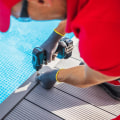
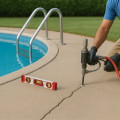
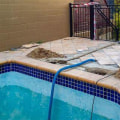
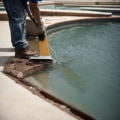
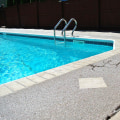
When it comes to maintaining a safe and enjoyable swimming environment, pool deck inspections play a crucial role. Regularly assessing the condition of your pool deck not only enhances the aesthetic appeal of your outdoor space but also significantly contributes to the overall safety of your pool area. Cracks, uneven surfaces, and other wear and tear can pose serious hazards, making it essential to prioritize these inspections as part of your routine pool deck maintenance.Understanding the importance of these inspections goes beyond mere aesthetics; it is fundamentally about ensuring the safety of everyone who uses the pool. A well-maintained pool deck can prevent slips and falls, which are common accidents that can lead to serious injuries.
By identifying potential issues early on, you can address them before they escalate into costly repairs or, worse, accidents that could harm family members or guests. Moreover, regular inspections can extend the lifespan of your pool deck. Just like any other part of your home, your pool deck requires attention and care. By keeping an eye on its condition and addressing minor repairs promptly, you can save yourself from more extensive damage in the future. This proactive approach not only safeguards your investment but also ensures that your pool area remains a safe haven for relaxation and enjoyment.
How Often Should You Inspect Your Pool Deck?
Regular inspections of your pool deck are crucial for maintaining its integrity and safety.The frequency of these inspections can vary based on several factors, including climate, usage, and the materials used in the deck's construction.
General Inspection Guidelines
- Seasonal Inspections: It is advisable to inspect your pool deck at least twice a year, ideally at the beginning of spring and fall. This allows you to address any damage before the peak swimming season and after heavy use.
- Post-Storm Checks: After severe weather events, such as heavy rain or storms, conduct an immediate inspection. Look for cracks, shifting, or pooling water that could indicate underlying issues.
- High-Usage Periods: If your pool is frequently used for parties or gatherings, consider more frequent inspections during these times. Increased foot traffic can lead to wear and tear that may not be evident during regular checks.
Factors Influencing Inspection Frequency
- Climate: In areas with extreme temperatures or heavy rainfall, more frequent inspections may be necessary.
For instance, freeze-thaw cycles can cause significant damage to concrete decks.
- Material Type: Different materials have varying durability. Wooden decks may require more frequent checks for rot and insect damage, while concrete may need attention for cracks and surface wear.
- Age of the Deck: Older decks are more susceptible to damage. If your pool deck is over ten years old, consider increasing the frequency of your inspections.
Signs Your Pool Deck Needs Repair
Recognizing the signs of pool deck damage is crucial for maintaining the safety and aesthetics of your outdoor space.Homeowners should be vigilant and proactive in identifying potential issues that may require pool deck repair. Here are some common indicators that your pool deck may need attention:
- Cracks and Chips: Small cracks can quickly escalate into larger problems. If you notice any cracks or chips in the surface, it’s essential to address them promptly to prevent further deterioration.
- Uneven Surfaces: A level pool deck is vital for safety. If you observe any uneven areas or shifting, it could indicate underlying issues that need to be repaired.
- Discoloration: Fading or discoloration can be a sign of wear and tear.
While it may not seem urgent, it can lead to more significant problems if not addressed.
- Pitting or Spalling: This occurs when the surface begins to flake or pit, often due to moisture infiltration. It’s a clear sign that your pool deck needs repair.
- Water Pooling: If water is pooling on the surface instead of draining away, it could indicate improper grading or drainage issues that require immediate attention.
Factors Influencing Inspection Frequency
When determining how often to inspect a pool deck for potential repairs, several key factors come into play.Understanding these factors can help homeowners maintain their pool decks effectively and avoid costly repairs down the line.
Climate Impact on Pool Decks
The climate in which your pool deck is located significantly influences its condition. For instance, areas with extreme temperatures, whether hot or cold, can cause materials to expand and contract, leading to cracks and other damage. In regions with heavy rainfall or snow, moisture can seep into the deck's surface, promoting mold growth and deterioration. Therefore, homeowners in harsher climates should consider more frequent inspections—ideally at least twice a year—to catch any issues early.Usage Patterns for Pool Decks
The frequency of use also plays a crucial role in determining inspection intervals.A pool deck that sees daily use will experience more wear and tear compared to one that is used only occasionally. High foot traffic can lead to surface abrasions and structural stress. If your pool deck is a central gathering place for family and friends, it may be wise to inspect it quarterly to ensure safety and integrity.
Material Considerations
The type of material used for your pool deck can also dictate how often inspections should occur. For example:- Concrete: This material is durable but can crack over time; inspections should be done at least twice a year.
- Wood: Wooden decks require more frequent checks due to susceptibility to rot and insect damage; consider quarterly inspections.
- Pavers: While generally resilient, paver decks may shift or settle; inspect them at least once a year.
DIY vs.
Professional Inspections: What You Need to KnowWhen it comes to pool deck repair, understanding the difference between DIY inspections and professional assessments is crucial for maintaining the safety and aesthetics of your pool area.
DIY Pool Deck Inspection
Conducting a DIY inspection can be a cost-effective way to identify minor issues before they escalate. Here are some steps to consider:- Visual Inspection: Regularly check for cracks, discoloration, or uneven surfaces.
- Water Drainage: Ensure that water drains away from the pool deck to prevent pooling and potential damage.
- Surface Condition: Look for signs of wear, such as peeling paint or rough textures that could indicate underlying problems.
Professional Pool Deck Inspection
Hiring a professional for a thorough inspection offers several advantages:- Expertise: Professionals have the training and experience to identify subtle signs of damage that an untrained eye might miss.
- Comprehensive Assessment: They can evaluate the entire pool deck structure, including hidden areas that may be prone to deterioration.
- Safety Assurance: A professional inspection ensures that your pool deck meets safety standards, reducing the risk of accidents.
Common Pool Deck Repair Techniques and Solutions
When it comes to pool deck repair, understanding the common issues and the appropriate techniques for addressing them is crucial for maintaining a safe and aesthetically pleasing environment. Regular inspections can reveal various problems, and knowing how to tackle these can save time and money in the long run.Common Repairs for Pool Decks
- Cracks: One of the most frequent issues, cracks can develop due to weather changes or settling.
Small cracks can often be filled with a concrete patching compound, while larger ones may require more extensive repairs.
- Surface Damage: Over time, the surface of a pool deck can become worn or stained. Resurfacing with a new layer of concrete or applying a decorative overlay can restore its appearance.
- Uneven Surfaces: If your pool deck has settled unevenly, it can create tripping hazards. Leveling compounds or mudjacking can be used to raise sunken areas back to their original height.
- Tile Replacement: For decks with tile surfaces, cracked or loose tiles should be replaced promptly to prevent water damage and further deterioration.
Solutions for Damaged Pool Decks
Addressing damage promptly is essential. Here are some effective solutions:- Sealants: Applying a high-quality sealant can protect against moisture and UV damage, extending the life of your pool deck.
- Regular Maintenance: Routine cleaning and maintenance can prevent minor issues from escalating into major repairs.
This includes power washing and resealing as needed.
- Professional Assessment: For significant damage, hiring a professional for an assessment ensures that repairs are done correctly and safely.
Frequently Asked Questions About Pool Deck Inspections and Repairs
When it comes to pool deck repair, many homeowners have questions about the frequency and necessity of inspections. Here are some common inquiries:- How often should I inspect my pool deck? It is recommended to inspect your pool deck at least twice a year, ideally in the spring and fall. This allows you to catch any potential issues before they worsen.
- What signs indicate that my pool deck needs repairs? Look for cracks, uneven surfaces, or discoloration. If you notice pooling water or loose tiles, these are also signs that your deck may require attention.
- Can I perform the inspection myself? Yes, many homeowners can conduct a basic inspection.
However, for more extensive issues or if you're unsure, it's best to consult a professional.
- What maintenance can I do to prolong the life of my pool deck? Regular cleaning, sealing cracks, and applying a protective sealant every few years can help maintain your pool deck's integrity and appearance.
Conclusion: Keeping Your Pool Deck Safe and Functional
In conclusion, maintaining a safe and functional pool deck is essential for both the enjoyment of your outdoor space and the safety of your family and guests. Regular inspections play a crucial role in identifying potential issues before they escalate into costly pool deck repairs.By adhering to a consistent inspection schedule, you can ensure that your pool deck remains in optimal condition.As discussed, it is advisable to inspect your pool deck at least twice a year, ideally in the spring and fall. This allows you to catch any damage caused by winter weather or summer wear and tear. During these inspections, look for signs of:
- Cracks or chips in the surface
- Uneven surfaces that could pose tripping hazards
- Moisture accumulation that may lead to mold or mildew
- Loose tiles or pavers that need re-seating
Additionally, consider scheduling professional inspections every few years to ensure that no underlying issues are overlooked.Ultimately, a proactive approach to maintaining your pool deck not only enhances its aesthetic appeal but also extends its lifespan. By prioritizing regular inspections and timely repairs, you can enjoy a safe and beautiful pool area for years to come.