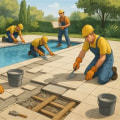
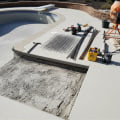
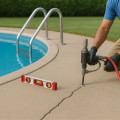
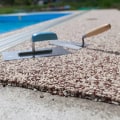
When it comes to maintaining a beautiful and functional outdoor space, pool deck damage can be a significant concern for homeowners. Over time, various factors can lead to cracks and deterioration of your pool deck, which not only affects the aesthetic appeal but also poses safety risks. Understanding the common types of cracks and their underlying causes is essential for effective pool deck repair.There are several types of cracks that can develop in a pool deck, each indicating different issues.
Hairline cracks
are often superficial and may not require immediate attention, while structural cracks can signal more serious problems that need prompt repair.Additionally, shrinkage cracks typically occur as the concrete cures and dries, while settlement cracks may arise due to soil movement beneath the deck. Recognizing these types of damage is crucial for determining the appropriate repair methods. The causes of pool deck damage are varied and can include environmental factors such as extreme temperatures, heavy rainfall, or freeze-thaw cycles. Poor drainage or inadequate installation can also contribute to the deterioration of your pool deck. By identifying these causes early on, homeowners can take proactive measures to prevent further damage and ensure their pool area remains safe and inviting.
Assessing the Extent of Damage
When it comes to pool deck repair, the first step is to thoroughly assess the extent of the damage.This evaluation will help you determine whether you need a simple patch job or a more extensive restoration. Here are some key points to consider during your inspection:
- Visual Inspection: Start by visually inspecting the entire pool deck area. Look for cracks, chips, or discoloration. Pay special attention to areas around the pool's edge, as these are often more susceptible to damage.
- Types of Cracks: Identify the type of cracks present.
Hairline cracks may indicate minor issues, while larger, wider cracks could signal more serious structural problems. If you notice cracks that are more than 1/4 inch wide, it’s a sign that you may need professional help.
- Surface Condition: Check for any signs of flaking or peeling. A deck that is crumbling or has loose pieces may require complete resurfacing rather than just a repair.
- Water Accumulation: Observe if water pools in certain areas after rain or pool use. This can indicate improper drainage and may lead to further damage if not addressed.
- Use a Level: A level can help you identify uneven surfaces that may not be immediately visible.
Unevenness can lead to water pooling and further deterioration.
- Check for Movement: Gently press on cracked areas to see if they shift or move. If they do, this could indicate a deeper issue with the foundation beneath the deck.
- Document Findings: Take photos and notes of all observed damage. This documentation will be helpful if you decide to consult with a professional for repairs.
Gathering Necessary Tools and Materials
Before embarking on your pool deck repair project, it’s essential to gather all the necessary tools and materials.Being well-prepared will not only streamline the process but also ensure a successful repair. Below is a comprehensive list of what you will need.
Tools for Pool Deck Repair
- Concrete Chisel: This tool is crucial for removing any loose or damaged concrete around the crack.
- Masonry Hammer: A masonry hammer will help you break up larger pieces of concrete if necessary.
- Wire Brush: Use this to clean out the crack and remove debris, ensuring a solid bond with the repair material.
- Trowel: A trowel is essential for applying and smoothing out the repair compound.
- Caulking Gun: If you’re using a caulk-based repair product, a caulking gun will be necessary for application.
- Safety Gear: Don’t forget gloves, goggles, and a dust mask to protect yourself during the repair process.
Materials Needed for Pool Deck Repair
- Concrete Repair Compound: Choose a high-quality concrete patching compound that is suitable for outdoor use.
- Concrete Sealant: After repairs, applying a sealant will help protect your pool deck from future damage.
- Water: You’ll need water for mixing the repair compound and cleaning tools.
Preparing the Area for Repair
Before diving into pool deck repair, it’s essential to properly prepare the area around the cracks.This preparation not only ensures a successful repair but also enhances the longevity of the fix. Here are the steps to follow:
1.Clear the Area
Start by removing any furniture, plants, or obstacles from the vicinity of the cracks. This will provide you with ample space to work and prevent any accidental damage during the repair process.2.Clean the Cracks
Next, focus on cleaning the cracks themselves. Use a wire brush or a pressure washer to remove dirt, debris, and loose concrete from within and around the cracks.This step is crucial as it allows the repair material to bond effectively with the existing surface.
3.Assess for Moisture
Check for any moisture in the cracks, as this can hinder the repair process. If you notice water accumulation, allow it to dry completely before proceeding. You can use towels or a fan to expedite this process.4.Safety Precautions
Safety should always be a priority when undertaking pool deck repair. Here are some precautions to consider:- Wear Protective Gear: Equip yourself with gloves, safety goggles, and a dust mask to protect against debris and chemicals.
- Ensure Proper Ventilation: If using any chemical products for cleaning or repair, make sure the area is well-ventilated.
- Be Cautious of Slips: The area may be slippery due to water or cleaning agents; take care when moving around.
Proper preparation not only enhances safety but also maximizes the effectiveness of your repair efforts.
Repairing Small Cracks in Pool Decks
Repairing small cracks in your pool deck is essential to maintain its appearance and prevent further damage. Here’s a step-by-step guide on how to effectively fill those cracks using simple DIY methods.- Assess the Damage: Begin by inspecting the pool deck for cracks. Small cracks are typically less than 1/4 inch wide. If you find larger cracks, consider consulting a professional.
- Clean the Area: Use a wire brush or a pressure washer to remove any debris, dirt, or loose material from the crack.
This ensures that the filler adheres properly.
- Choose the Right Filler: For small cracks, a concrete crack filler or sealant is ideal. Look for products specifically designed for pool deck repair, as they are often waterproof and durable.
- Prepare the Filler: Follow the manufacturer’s instructions to prepare the filler. Some products may require mixing, while others come ready to use.
- Apply the Filler: Using a caulking gun or putty knife, carefully apply the filler into the crack. Ensure it fills the crack completely and slightly overfill it to allow for settling.
- Smooth the Surface: After applying the filler, smooth it out with a putty knife or your finger to create an even surface that blends with the surrounding area.
- Allow to Cure: Let the filler cure according to the product instructions.
This usually takes 24 hours but can vary based on temperature and humidity.
- Seal the Deck: Once cured, consider applying a sealant over the entire pool deck to protect against future damage and enhance its appearance.
Addressing Larger Cracks and Structural Issues
When it comes to pool deck repair, addressing larger cracks and structural issues is crucial for maintaining the safety and aesthetics of your pool area. These cracks can indicate underlying problems that may require more than just a simple patch job.Identifying Larger Cracks
Before you begin any repair work, it's essential to assess the size and depth of the cracks. Generally, cracks wider than 1/4 inch or those that extend through the entire thickness of the deck should be treated as significant.
These larger cracks can compromise the integrity of the deck and may lead to further damage if not addressed promptly.
Repair Techniques for Large Cracks
- Chase the Crack: Use a chisel or angle grinder to widen the crack slightly, creating a V-shape. This allows for better adhesion of the repair material.
- Fill with Epoxy or Concrete Repair Compound: Choose a high-quality epoxy or concrete repair compound designed for outdoor use. Apply it generously into the crack, ensuring it fills completely.
- Smooth and Finish: Once filled, smooth the surface with a trowel to match the surrounding area. Allow it to cure as per manufacturer instructions.
Structural Repairs
If you notice that cracks are accompanied by sinking or heaving of the deck, this may indicate more serious structural issues.
In such cases, it’s advisable to:
- Inspect Underlying Soil: Check for erosion or instability in the soil beneath the deck, which could be causing movement.
- Reinforce with Steel Rebar: For extensive damage, consider reinforcing the area with steel rebar before applying new concrete.
When to Call a Professional
If you’re unsure about the extent of damage or if repairs seem beyond your skill level, it’s best to consult a professional. Signs that you should call an expert include:
- The presence of multiple large cracks.
- Sinking or uneven surfaces.
- Water pooling in certain areas of the deck.
Finishing Touches After Repair
Once the pool deck repair has been completed, it’s essential to focus on the finishing touches that will ensure the longevity and durability of your repairs. These final steps not only enhance the appearance of your pool deck but also protect it from future damage.Sealing Repaired Areas
One of the most critical steps after repairing a cracked pool deck is to apply a high-quality sealant. Sealing the repaired areas helps to:- Prevent water infiltration: Water can seep into cracks and cause further damage, so sealing is vital.
- Enhance durability: A good sealant will protect against UV rays, chemicals, and other environmental factors.
- Improve aesthetics: Sealing can restore the original color and finish of your pool deck, making it look new again.
Follow the manufacturer’s instructions for application to achieve the best results.
Maintaining Repaired Pool Decks
After sealing, regular maintenance is crucial to prolonging the life of your repairs. Here are some tips to keep your pool deck in top condition:- Regular cleaning: Sweep away debris and use a mild detergent with water to clean the surface periodically.
- Avoid harsh chemicals: Stay away from bleach or acidic cleaners that can damage the sealant and concrete.
- Inspect regularly: Check for any signs of new cracks or wear and address them promptly to prevent larger issues.
- Reapply sealant as needed: Depending on usage and exposure, reapply sealant every 1-3 years to maintain protection.
Frequently Asked Questions About Pool Deck Repair
When it comes to pool deck repair, many homeowners have questions about the process, costs, and maintenance. Here are some frequently asked questions that can help clarify these concerns.What are the common causes of cracks in pool decks?
Cracks in pool decks can arise from various factors, including:- Weather conditions: Extreme temperatures and moisture can cause materials to expand and contract, leading to cracks.
- Improper installation: If the deck was not installed correctly, it may be more susceptible to damage.
- Heavy loads: Excessive weight from furniture or equipment can stress the surface.
How do I know if my pool deck needs repair?
Look for visible signs such as:- Cracks larger than 1/4 inch
- Uneven surfaces or sinking areas
- Pitting or flaking of the surface
What is the typical cost of pool deck repair?
The cost of pool deck repair varies based on factors like:- The extent of damage
- The materials used for repair
- Labor costs in your area
How can I maintain my repaired pool deck?
To ensure longevity after repairs, consider these maintenance tips:- Regular cleaning: Keep the surface free from debris and dirt to prevent mold and mildew.
- Avoid heavy loads: Limit the weight placed on the deck to reduce stress on repaired areas.
- Sealant application: Apply a sealant every few years to protect against moisture and UV damage.
Conclusion: Key Takeaways on Pool Deck Repair
In conclusion, pool deck repair is an essential aspect of maintaining the safety and aesthetics of your swimming area. Addressing cracks and damage promptly not only enhances the visual appeal of your pool deck but also prevents further deterioration that could lead to more costly repairs down the line.Here are the key takeaways regarding pool deck repair:- Timely Action: Ignoring small cracks can lead to larger issues.
Regular inspections can help identify problems early.
- Proper Materials: Using the right materials for repairs is crucial. Ensure that you select products specifically designed for pool decks to ensure durability and longevity.
- Professional Help: While some repairs can be DIY projects, complex issues may require professional intervention. Don’t hesitate to consult with experts if you’re unsure.
- Regular Maintenance: After repairs, establish a routine maintenance schedule. This includes cleaning, sealing, and checking for new cracks or wear.
- Safety First: A well-maintained pool deck is not just about aesthetics; it’s also about safety.
Cracks can pose tripping hazards, so prioritize repairs to keep your family and guests safe.