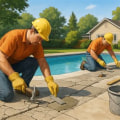
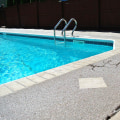
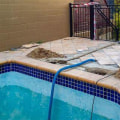
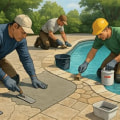
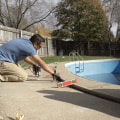
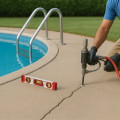
When it comes to maintaining a safe and visually appealing outdoor space, pool deck repair plays a crucial role. A pool deck not only enhances the aesthetic appeal of your backyard but also serves as a functional area for relaxation and entertainment. Over time, however, exposure to the elements, heavy foot traffic, and the natural wear and tear can lead to various issues such as cracks, discoloration, and uneven surfaces. Understanding what pool deck repair entails is essential for homeowners who want to preserve their investment and ensure safety for family and guests. The importance of pool deck repair cannot be overstated.
A damaged pool deck can pose serious safety hazards, including slips and falls, which can lead to injuries. Additionally, neglecting repairs can result in more extensive damage that may require costly renovations down the line. By addressing minor issues promptly, homeowners can maintain the integrity of their pool deck while also enhancing its longevity. Regular maintenance not only keeps the surface looking fresh but also protects against potential structural problems that could arise from water infiltration or freeze-thaw cycles. In this article, we will explore various strategies for maintaining the appearance and safety of a newly repaired pool deck.
From routine cleaning practices to protective sealants, understanding these methods will empower you to keep your outdoor oasis in top condition for years to come.
Immediate Post-Repair Care
After completing a pool deck repair, it’s crucial to take immediate steps to ensure the longevity and safety of your newly restored surface. Proper care during the initial days can significantly impact the durability of the repair.Curing Time
One of the first considerations is the curing time of the materials used in the repair. Depending on the type of material—whether it’s concrete, pavers, or another surface—the curing time can vary. Generally, it’s advisable to keep foot traffic off the repaired area for at least 24 to 48 hours.This allows the material to set properly and reduces the risk of damage.
Initial Cleaning
Once the curing period has passed, you can begin cleaning your pool deck. However, it’s essential to use gentle methods to avoid compromising the repair:- Use a Soft Broom: Start by sweeping away any debris with a soft broom. This prevents scratching or damaging the new surface.
- Mild Detergent Solution: For deeper cleaning, mix a mild detergent with water. Avoid harsh chemicals that could harm the repair.
- Soft Cloth or Sponge: Use a soft cloth or sponge to apply the detergent solution, ensuring you don’t scrub too hard.
Avoiding Water Accumulation
After cleaning, it’s important to ensure that water does not accumulate on the surface.Standing water can lead to mold growth and deterioration of the repair:
- Check Drainage: Ensure that drainage systems are functioning correctly to direct water away from the pool deck.
- Regular Inspections: Regularly inspect for any signs of pooling or erosion around the edges of your pool deck.
Regular Cleaning Practices
Maintaining the appearance and safety of your newly repaired pool deck begins with regular cleaning practices. A clean pool deck not only enhances the aesthetic appeal but also ensures a safe environment for swimmers. Here are some effective methods and products tailored for different types of pool decks.General Cleaning Tips
- Frequency: Aim to clean your pool deck at least once a week, especially during peak swimming season.
- Tools: Use a broom or leaf blower to remove debris like leaves and dirt before washing.
- Water Hose: Rinse the deck with a hose to eliminate loose dirt and grime.
Best Cleaning Practices for Different Deck Materials
- Concrete Decks: For concrete surfaces, a mixture of water and mild detergent works well. Use a stiff-bristle brush to scrub away stains, followed by rinsing with a hose.
- Wood Decks: Wooden decks require special care.
Use a wood cleaner specifically designed for outdoor use, and avoid harsh chemicals that can damage the wood. A soft brush is ideal for scrubbing.
- Paver Decks: For paver surfaces, consider using a pressure washer to remove stubborn stains. Be cautious with the pressure setting to avoid dislodging the pavers.
Cleaning Products to Consider
- Mild Detergents: Look for biodegradable options that are safe for the environment.
- Specialty Cleaners: Invest in cleaners designed for specific materials, such as anti-slip solutions for concrete or wood preservatives for wooden decks.
- Sealers: After cleaning, applying a sealant can protect your deck from future stains and weather damage.
Protective Coatings and Sealants
When it comes to pool deck repair, applying the right protective coatings and sealants is essential for maintaining both the appearance and safety of your newly repaired surface.These products not only enhance the aesthetic appeal but also provide a barrier against moisture, UV rays, and chemical damage.
Types of Sealants and Coatings
- Acrylic Sealants: These are water-based and easy to apply, making them a popular choice for homeowners. They offer excellent UV protection and are available in various finishes.
- Epoxy Coatings: Known for their durability, epoxy coatings create a hard, protective layer that resists stains and abrasions. They are ideal for high-traffic areas around the pool.
- Polyurethane Sealants: These provide a flexible, waterproof barrier that can withstand extreme weather conditions. They are particularly effective in preventing cracking and peeling.
Application Process
Before applying any sealant or coating, it’s crucial to prepare the surface properly.
This includes cleaning the pool deck thoroughly to remove dirt, debris, and any previous coatings. Once the surface is dry, follow these steps:
- Choose the Right Product: Select a sealant or coating that suits your specific needs based on the material of your pool deck.
- Apply Evenly: Use a roller or sprayer to apply the product evenly across the surface. Ensure you cover all areas, including edges and corners.
- Allow to Cure: Follow the manufacturer’s instructions regarding drying times. Proper curing is essential for optimal performance.
Benefits of Sealing Pool Decks
- Enhanced Safety: A sealed pool deck reduces the risk of slips and falls by providing a textured surface that improves traction.
- Extended Lifespan: Regular sealing protects against wear and tear, prolonging the life of your pool deck.
- Aesthetic Appeal: Sealants can enhance color and finish, keeping your pool area looking fresh and inviting.
By choosing the right products and following proper application techniques, you can enjoy a beautiful pool area for years to come.
Addressing Common Issues Post-Repair
After completing a pool deck repair, it’s essential to be vigilant about potential issues that may arise. Addressing these common problems promptly can help maintain both the appearance and safety of your pool deck.Common Pool Deck Issues
Even after a successful repair, several issues can surface:- Cracks: Small cracks can develop due to temperature fluctuations or settling.
- Stains: Pool chemicals, dirt, and organic matter can lead to unsightly stains.
- Slippery Surfaces: Moisture can create slippery conditions, posing safety risks.
How to Fix Cracks in Pool Deck
If you notice cracks forming, it’s crucial to address them quickly to prevent further damage. Here are some steps to follow:- Clean the Area: Remove any debris or loose material from the crack.
- Apply a Repair Compound: Use a concrete patching compound specifically designed for pool decks. Follow the manufacturer’s instructions for application.
- Smooth the Surface: Use a trowel to ensure the patch is level with the surrounding area.
- Seal the Repair: Once dry, apply a sealant to protect against moisture and future cracking.
Dealing with Stains on Pool Deck
Stains can detract from the overall look of your pool deck.Here are some effective methods for removing them:
- For Organic Stains: Use a mixture of water and vinegar or a specialized cleaner designed for pool decks. Scrub gently with a brush.
- For Chemical Stains: A diluted bleach solution can help lift stubborn stains. Always rinse thoroughly after application.
- Preventive Measures: Regularly clean your pool deck and consider applying a protective sealant to minimize staining.
Seasonal Maintenance Tips
Maintaining the appearance and safety of your newly repaired pool deck requires a proactive approach throughout the year. Each season presents unique challenges and opportunities for care.Here are some essential seasonal maintenance tips to keep your pool deck in top shape.
Winter Care for Pool Decks
During the winter months, it's crucial to protect your pool deck from harsh weather conditions. Here are some tips:- Remove Debris: Regularly clear leaves, snow, and ice from the surface to prevent moisture buildup that can lead to cracking.
- Use a Pool Cover: Invest in a high-quality pool cover to shield your deck from falling debris and reduce the risk of water pooling.
- Avoid Salt: If you live in an area where roads are salted, avoid using salt on your pool deck as it can cause damage to the surface.
Spring Maintenance Tips for Pool Decks
As temperatures rise, it's time to prepare your pool deck for the swimming season:- Inspect for Damage: Check for any cracks or signs of wear that may have developed over winter. Address these issues promptly to prevent further damage.
- Power Wash: Clean the surface with a power washer to remove dirt, algae, and mildew that may have accumulated during the colder months.
- Sealant Application: Consider applying a sealant to protect against moisture and UV damage, enhancing both appearance and longevity.
Summer Maintenance Tips for Pool Decks
The summer heat can take a toll on your pool deck. Here’s how to keep it looking great:- Regular Cleaning: Sweep and wash the deck weekly to prevent dirt buildup and maintain its aesthetic appeal.
- Monitor for Cracks: Keep an eye out for any new cracks or chips that may develop due to heat expansion.
Repair them immediately to avoid larger issues.
- Shade Solutions: Consider adding umbrellas or shade structures to protect the deck from direct sunlight, which can cause fading and heat damage.
Safety Considerations for Pool Decks
Ensuring the safety of your pool deck is paramount, especially after a pool deck repair. A well-maintained deck not only enhances the aesthetic appeal of your pool area but also minimizes the risk of accidents. Here are some essential safety considerations to keep in mind:- Choose Non-Slip Surfaces: One of the most effective ways to prevent slips on pool decks is to select materials that offer a non-slip finish. Textured concrete, rubber pavers, and certain types of stone can provide better traction, especially when wet.
- Regular Cleaning: Debris, algae, and leaves can create slippery conditions.
Regularly cleaning your pool deck will help maintain its safety. Use a broom or a pressure washer to remove any buildup that could lead to accidents.
- Install Handrails: If your pool deck has steps or elevation changes, installing sturdy handrails can provide additional support for users, particularly children and elderly individuals.
- Proper Drainage: Ensure that your pool deck has adequate drainage to prevent water accumulation. Standing water can be a significant hazard, so consider sloping the surface away from the pool or installing drainage channels.
- Use Safety Markings: Clearly mark any changes in elevation or potential hazards with bright paint or tape. This visual cue can alert users to be cautious in those areas.
These sealants not only protect the surface from wear and tear but also enhance grip. When selecting materials for new installations or repairs, prioritize those that are specifically designed for wet environments.By implementing these safety measures, you can enjoy your pool area with peace of mind, knowing that you have taken steps to prevent accidents and ensure a safe environment for all users.
FAQs About Pool Deck Maintenance
Maintaining a repaired pool deck is essential for both its appearance and safety. Here are some frequently asked questions that can help you keep your pool deck in top condition:- How often should I clean my pool deck?
It’s recommended to clean your pool deck at least once a week. Regular cleaning prevents the buildup of dirt, algae, and other debris that can lead to slippery surfaces. - What cleaning products are safe for my repaired pool deck?
Use mild detergents or specialized pool deck cleaners that are non-abrasive.Avoid harsh chemicals that can damage the surface or finish of your repair.
- How can I prevent cracks from forming after a repair?
To prevent future cracks, ensure proper drainage around the pool area and avoid heavy objects on the deck. Regularly inspect for any signs of wear and address them promptly. - Is sealing necessary for a repaired pool deck?
Yes, applying a sealant can protect your repaired surface from moisture and UV damage. It’s advisable to reseal every 1-3 years, depending on the type of material used. - What should I do if I notice discoloration on my pool deck?
Discoloration can be a sign of mold or mildew. Use a mixture of water and vinegar or a specialized cleaner to treat these areas.If the problem persists, consult a professional.
Conclusion: Keeping Your Pool Deck in Top Shape
In conclusion, maintaining the appearance and safety of your newly repaired pool deck is essential for both aesthetic appeal and the well-being of your family and guests. Regular upkeep not only prolongs the life of your deck but also ensures a safe environment around your pool area.To recap, here are some key strategies to keep in mind:- Regular Cleaning: Make it a habit to clean your pool deck regularly. Use a broom or leaf blower to remove debris, and wash the surface with a mild detergent to prevent stains and algae growth.
- Inspect for Damage: Periodically check for cracks, chips, or any signs of wear. Early detection allows for timely repairs, preventing further damage.
- Sealant Application: Applying a high-quality sealant can protect your deck from moisture and UV damage.
Reapply as recommended by the manufacturer to maintain its protective qualities.
- Safe Surroundings: Ensure that the area around your pool deck is free from hazards. This includes keeping furniture and toys organized and ensuring that any slippery spots are addressed promptly.
- Professional Maintenance: Consider hiring professionals for deep cleaning or repairs when necessary. Their expertise can help maintain the integrity of your pool deck.