A stable pool deck is essential not only for aesthetic appeal but also for safety and functionality. As the area surrounding your pool, the deck serves as a transition space for swimmers and sunbathers alike. However, over time, various factors such as weather conditions, ground movement, and improper installation can lead to underlying structural issues that may compromise its integrity. Recognizing the importance of a stable pool deck is crucial, as neglecting these issues can result in costly repairs and potential hazards. One of the most significant risks associated with an unstable pool deck is the potential for accidents.
Cracks, uneven surfaces, and shifting materials can create tripping hazards that may lead to injuries. Furthermore, if water seeps into these cracks, it can exacerbate the damage, leading to more extensive repairs down the line. Therefore, understanding the signs of structural issues is vital for any pool owner looking to maintain a safe and inviting environment. In this article, we will explore the key indicators that suggest your pool deck may have underlying problems requiring immediate attention. By being proactive and addressing these signs early on, you can ensure that your pool area remains a safe haven for family and friends while also preserving the value of your property through timely pool deck repair.
Common Signs of Structural Issues in Pool Decks
Identifying signs of pool deck damage early can save homeowners significant time and money in the long run.Here are some common indicators that your pool deck may have underlying structural issues:
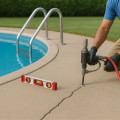
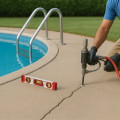
- Cracks and Fissures: One of the most obvious signs of structural problems is the presence of cracks. These can vary in size and depth, but if they are wider than a quarter-inch or seem to be expanding, it’s a clear indication that the integrity of the deck is compromised.
- Uneven Surfaces: If you notice that certain areas of your pool deck are uneven or sloping, this could suggest that the ground beneath is shifting or settling. This instability can lead to further damage if not addressed promptly.
- Pooling Water: Water that collects on the surface instead of draining away can indicate poor drainage or underlying issues with the deck’s structure. This can lead to further deterioration and should be investigated.
- Loose or Shifting Pavers: If your pool deck is made of pavers, check for any that feel loose or shift when stepped on.
This can be a sign that the base material is eroding or that there are issues with the installation.
- Rust Stains: Rust stains appearing on the surface may indicate that metal reinforcements within the concrete are corroding. This not only affects aesthetics but also compromises structural integrity.
Cracks and Gaps: What They Mean for Your Pool Deck
When it comes to pool deck repair, identifying the signs of underlying structural issues is crucial. One of the most common indicators are cracks and gaps that can develop over time due to various factors such as weather conditions, ground movement, or poor installation.Understanding what these cracks and gaps mean can help you determine the necessary steps for effective repairs.
Types of Cracks
- Hairline Cracks: These are very thin cracks that may not seem serious at first glance. However, they can indicate moisture infiltration, which may lead to more significant damage if left unaddressed.
- Wide Cracks: Cracks wider than a quarter-inch often signal more severe structural issues. They can result from settling or shifting of the ground beneath the deck.
- Diagonal Cracks: These cracks typically indicate that the pool deck is experiencing stress from uneven settling. They can compromise the integrity of the surface and should be evaluated by a professional.
Understanding Gaps
Gaps between the pool deck and surrounding structures, such as coping stones or walls, can also be a red flag.These gaps may suggest that the deck is shifting or sinking, which could lead to further complications if not addressed promptly.If you notice any of these signs, it’s essential to consult with a qualified contractor who specializes in pool deck repair. They can assess the extent of the damage and recommend appropriate solutions to ensure your pool area remains safe and functional.In summary, being vigilant about cracks in your pool deck and any noticeable gaps can save you from costly repairs down the line. Regular inspections and timely interventions are key to maintaining the structural integrity of your pool deck.
Uneven Surfaces and Settling Issues
One of the most noticeable signs that your pool deck may have underlying structural issues is the presence of uneven surfaces. These irregularities can manifest as cracks, dips, or raised areas on the deck, which not only detract from the aesthetic appeal but also pose safety hazards.If you notice that certain sections of your pool deck are higher or lower than others, it could indicate that the ground beneath is settling unevenly.
Settling issues
in pool decks often arise from various factors, including soil erosion, poor drainage, or inadequate compaction during the initial installation. Over time, these factors can lead to significant shifts in the ground beneath your deck, causing it to settle unevenly. This not only affects the surface appearance but can also compromise the structural integrity of the entire pool area.- Cracks: Look for cracks that appear in a zigzag pattern or are wider than a quarter-inch. These can be signs of serious settling issues.
- Dips and Valleys: If you notice areas where water tends to pool after rain, this could indicate a dip in the surface caused by settling.
- Raised Edges: Sections of the deck that are noticeably higher than adjacent areas may suggest that soil erosion has occurred beneath.
Ignoring uneven surfaces can lead to more severe problems down the line, including further structural damage and increased repair costs. Consulting with a professional who specializes in pool deck repair can help identify the root cause of these issues and provide effective solutions to restore stability and safety to your pool area.
Water Drainage Problems: A Hidden Threat to Your Pool Deck
One of the most significant yet often overlooked issues that can affect the integrity of your pool deck is poor water drainage. When water does not drain properly, it can lead to a host of problems that may compromise the structure of your pool deck over time.Signs of Drainage Problems
- Water Pooling: If you notice water pooling on your pool deck after rain or when the pool is in use, this is a clear indication that drainage issues exist. Standing water can seep into cracks and crevices, leading to further damage.
- Cracks and Settling: Inspect your pool deck for any visible cracks or uneven surfaces.
These can be signs that the underlying structure is shifting due to water accumulation.
- Mold and Mildew: The presence of mold or mildew around your pool deck is another red flag. Excess moisture creates an ideal environment for these growths, which can not only damage the deck but also pose health risks.
- Rusting Fixtures: If you have metal fixtures or railings on your pool deck, check for signs of rust. This can indicate prolonged exposure to moisture, which may stem from inadequate drainage.
Consequences of Poor Drainage
If left unaddressed, these drainage problems can lead to serious structural issues. Water that pools on the surface can erode the materials used in your pool deck, weakening its foundation.
Over time, this can result in costly repairs or even necessitate a complete replacement of the deck.
Addressing Drainage Issues
To prevent these problems, it’s essential to regularly inspect your pool deck and surrounding areas for signs of poor drainage. Consider consulting with a professional who specializes in pool deck repair to assess the situation and recommend appropriate solutions, such as installing proper drainage systems or regrading the area to facilitate better water flow.
The Role of Weather and Environmental Factors
Understanding the impact of weather and environmental factors on your pool deck is crucial for identifying potential structural issues that may arise over time. Various elements can contribute to the deterioration of your pool deck, leading to the need for timely pool deck repair.Seasonal Changes
- Winter: In colder climates, freezing temperatures can cause water to seep into cracks and expand when it freezes, leading to further damage. This freeze-thaw cycle can create significant structural weaknesses.
- Summer: Intense heat can lead to surface cracking and fading of materials, especially if the deck is made from concrete or wood.
UV rays can degrade protective coatings, making the surface more susceptible to damage.
- Rainy Seasons: Excessive moisture can lead to erosion and mold growth, particularly in areas with poor drainage. Standing water can exacerbate these issues, leading to a compromised foundation.
Environmental Factors
- Soil Movement: Changes in soil composition or moisture levels can cause shifting, which may lead to uneven surfaces or cracks in the pool deck.
- Tree Roots: Nearby trees can pose a threat as their roots grow and expand, potentially lifting or cracking the deck surface.
- Chemical Exposure: Chlorine and other pool chemicals can deteriorate certain materials over time, especially if spills occur frequently or if the deck is not properly sealed.
When to Seek Professional Help for Pool Deck Repairs
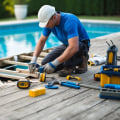
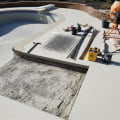
When it comes to pool deck repair, recognizing the right time to seek professional help can save you from costly mistakes and ensure the safety of your outdoor space. Here are some key signs that indicate it may be time to hire a contractor for your pool deck repairs:- Visible Cracks and Gaps: If you notice significant cracks or gaps in your pool deck, it’s a clear sign that there may be underlying structural issues.
Small cracks can often be repaired with DIY methods, but larger ones may indicate a need for professional assessment.
- Uneven Surfaces: A pool deck should be level and stable. If you find areas that are sinking or heaving, this could suggest problems with the foundation or soil beneath. Professionals can evaluate the situation and provide appropriate solutions.
- Water Pooling: If water is pooling in certain areas of your pool deck instead of draining away, this could lead to further damage and safety hazards. A contractor can help identify drainage issues and recommend necessary repairs.
- Loose or Missing Tiles: Tiles that are loose or missing not only detract from the aesthetic appeal of your pool area but can also pose safety risks.
A professional can replace tiles and ensure that the underlying structure is sound.
- Signs of Mold or Mildew: The presence of mold or mildew can indicate moisture retention, which may compromise the integrity of your pool deck. Professionals can address these issues effectively while ensuring proper ventilation and drainage.
Their experience will not only help restore your pool deck but also enhance its longevity and safety.
Frequently Asked Questions About Pool Deck Repairs
When it comes to pool deck repair, many homeowners have questions about the signs that indicate underlying structural issues. Here are some frequently asked questions that can help clarify these concerns:- What are the common signs of structural issues in a pool deck?
Look for cracks, uneven surfaces, or sinking areas. If you notice water pooling in certain spots or if the deck feels unstable when walked on, these could be indicators of deeper problems. - How can I tell if my pool deck needs immediate repair?
If you observe significant cracks wider than a quarter-inch, or if the surface is crumbling, it’s essential to address these issues promptly. Additionally, if you see any separation between the pool and the deck, this could signal serious structural concerns. - Are there specific materials that are more prone to structural issues?
Certain materials like concrete can crack over time due to weather changes or poor installation.Composite materials may warp or fade, leading to potential weaknesses. Regular maintenance can help mitigate these risks.
- What should I do if I suspect structural damage?
It’s advisable to consult with a professional who specializes in pool deck repair. They can conduct a thorough inspection and recommend the best course of action based on their findings.
Conclusion: Ensuring the Longevity of Your Pool Deck
In conclusion, recognizing the signs of potential structural issues in your pool deck is crucial for ensuring its longevity and safety. Addressing these problems promptly not only enhances the aesthetic appeal of your outdoor space but also prevents more extensive and costly repairs down the line. Throughout this article, we have discussed various indicators that may suggest underlying issues, such as:- Cracks and Gaps: Visible cracks or gaps in the surface can indicate shifting or settling, which may compromise the integrity of the deck.
- Uneven Surfaces: A pool deck that has become uneven can pose a tripping hazard and may signal deeper structural problems.
- Water Pooling: If water is pooling in certain areas, it could suggest drainage issues or subsurface erosion.
- Loose Tiles or Pavers: Tiles or pavers that are loose or shifting can be a sign of inadequate support beneath the surface.
Regular inspections and maintenance are essential to identify any emerging issues early on. If you notice any of these warning signs, it is advisable to consult with a professional who specializes in pool deck repair. They can provide a thorough assessment and recommend appropriate solutions to restore your deck's safety and functionality. Ultimately, investing time and resources into maintaining your pool deck will not only enhance your outdoor experience but also protect your investment for years to come.