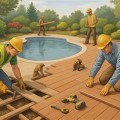
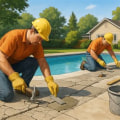
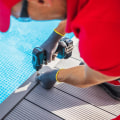
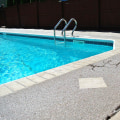
Ensuring the safety of a pool deck is crucial, especially after undergoing pool deck repair. A well-maintained pool deck not only enhances the aesthetic appeal of your outdoor space but also plays a vital role in preventing accidents and injuries. After repairs, it’s essential to understand that the surface may still pose risks if not properly managed. Factors such as moisture, debris, and wear can create hazardous conditions that could lead to slips and falls. The importance of pool deck maintenance cannot be overstated.
Regular inspections and upkeep are necessary to identify potential issues before they escalate. For instance, cracks or uneven surfaces can develop over time, even after a recent repair. By prioritizing safety measures, homeowners can ensure that their pool area remains a safe haven for family and friends. Moreover, understanding the specific safety protocols related to pool deck repair safety is essential. This includes using non-slip materials, ensuring proper drainage, and maintaining clear pathways around the pool.
By implementing these strategies, you not only protect your investment but also create a welcoming environment for everyone who enjoys your pool.
Inspecting the Pool Deck Post-Repair
After completing pool deck repair, it is essential to conduct a thorough inspection to ensure the safety and longevity of the deck. Regular inspections can help identify potential issues before they escalate, providing peace of mind for pool users.Post-Repair Inspection Checklist
- Surface Integrity: Check for any cracks, chips, or uneven surfaces that may have developed during the repair process. Look for signs of wear that could pose tripping hazards.
- Drainage: Ensure that water drains properly from the deck. Standing water can lead to slippery conditions and may indicate drainage issues that need addressing.
- Adhesion: If new materials were applied, verify that they are securely bonded to the existing surface.
Loose tiles or pavers can create safety risks.
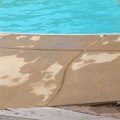
- Color and Texture: Inspect the color consistency and texture of the repaired areas. Discoloration or rough patches may indicate improper curing or application.
- Safety Features: Confirm that any safety features, such as non-slip coatings or edge barriers, are intact and functioning as intended.
Choosing the Right Materials for Safety
When it comes to pool deck repair, selecting the right materials is crucial for ensuring safety and longevity.The surface of your pool deck should not only be aesthetically pleasing but also provide a secure footing for swimmers and guests.
Durable and Weather-Resistant Materials
One of the primary considerations in choosing materials is their ability to withstand various weather conditions.Concrete
is a popular choice due to its durability and resistance to cracking. However, it can become slippery when wet, so it’s essential to treat it with a non-slip coating or texture.Non-Slip Pool Deck Options
- Rubber Pavers: These are an excellent option for pool decks as they provide a soft surface that is both slip-resistant and comfortable underfoot. They are also resistant to mold and mildew, making them ideal for humid environments.
- Textured Concrete: By adding a textured finish or using stamped concrete, you can enhance grip while maintaining the classic look of concrete.
This option allows for creative designs while prioritizing safety.
- Composite Decking: Made from a blend of wood fibers and plastic, composite materials are slip-resistant and require minimal maintenance. They are also available in various colors and styles, allowing for customization.
Natural Stone Surfaces
If you prefer a more natural look, consider using natural stone such as slate or travertine. These materials are inherently slip-resistant due to their texture and can add a luxurious feel to your pool area. However, ensure that the stones are sealed properly to prevent water absorption and staining.In conclusion, when planning your pool deck repair, prioritize materials that enhance safety without compromising on style.By choosing durable, non-slip options, you can create a safe environment that will last for years to come.
Implementing Non-Slip Solutions
After completing pool deck repair, ensuring the safety of the surface is paramount. One effective way to enhance safety is by implementing non-slip solutions. These solutions not only improve traction but also significantly reduce the risk of slips and falls, especially in wet conditions.Non-Slip Coatings
Non-slip coatings are a popular choice for pool decks. These coatings can be applied directly over existing surfaces and come in various formulations, including epoxy and acrylic.They create a textured finish that increases grip without compromising the aesthetic appeal of your pool area. When selecting a coating, look for products specifically designed for outdoor use, as they are more durable and resistant to UV rays and water exposure.
Anti-Slip Treatments
If you prefer to maintain the original look of your pool deck, consider anti-slip treatments. These treatments can be applied to various materials, including concrete, tile, and stone. They work by creating microscopic textures on the surface that enhance traction.Many anti-slip treatments are clear, allowing the natural beauty of your deck to shine through while providing an essential safety feature.
Improving Traction on Pool Decks
In addition to coatings and treatments, there are other methods to improve traction on pool decks:- Textured Pavers: Using textured pavers or tiles can naturally enhance grip.
- Rubber Mats: Placing rubber mats in high-traffic areas can provide additional traction.
- Regular Maintenance: Keeping the deck clean and free from debris is crucial; dirt and algae can create slippery conditions.
Regular Maintenance Practices for Pool Decks
Maintaining the safety of your pool deck after pool deck repair is crucial for ensuring a secure and enjoyable swimming environment. Regular maintenance practices not only enhance the longevity of your deck but also prevent accidents and injuries.Cleaning Pool Decks
One of the most effective ways to maintain a safe pool deck is through regular cleaning. Here are some tips:- Remove Debris: Regularly sweep or blow away leaves, dirt, and other debris that can create slippery surfaces.
- Wash with Soap: Use a mild detergent mixed with water to scrub the surface.
This helps remove algae and mildew that can develop in damp areas.
- Use a Pressure Washer: For tougher stains, a pressure washer can effectively clean the surface without damaging it. Be sure to follow manufacturer guidelines to avoid causing further damage.
Seasonal Maintenance
Seasonal maintenance is essential for keeping your pool deck safe year-round. Consider the following practices:- Inspect for Damage: After each season, inspect your pool deck for cracks, loose tiles, or any signs of wear. Addressing these issues promptly can prevent larger problems down the line.
- Sealant Application: Depending on the material of your pool deck, applying a sealant every few years can protect against water damage and UV rays, which can weaken the structure.
- Check Drainage Systems: Ensure that drainage systems are clear and functioning properly to prevent water accumulation, which can lead to slippery conditions.
Regular cleaning and seasonal checks will not only keep your pool deck looking great but also ensure it remains a safe space for family and friends to enjoy.
Safety Features to Consider After Repairs
After completing pool deck repair, it’s crucial to enhance safety features to ensure a secure environment for all users. Here are some effective ways to maintain the safety of your pool deck:- Install Safety Rails: Adding safety rails around the pool deck can significantly reduce the risk of accidents. These rails provide support for individuals entering or exiting the pool area, especially for children and elderly guests. Choose materials that are durable and resistant to weather conditions to ensure longevity.
- Incorporate Adequate Lighting: Proper lighting is essential for visibility during evening hours.
Consider installing LED lights along pathways, steps, and around the pool perimeter. Motion-sensor lights can also enhance safety by illuminating areas when someone approaches, reducing the chances of slips and falls.
- Add Clear Signage: Use clear and visible signage to communicate safety rules and guidelines. Signs indicating shallow areas, no diving zones, and pool depth can help prevent accidents. Ensure that these signs are placed at strategic locations where they are easily seen by all users.
- Use Non-Slip Surfaces: After repairs, consider applying a non-slip coating to the pool deck surface.
This feature is particularly important in wet conditions, as it minimizes the risk of slipping. Look for products specifically designed for pool decks that offer both safety and aesthetic appeal.
Educating Users About Pool Deck Safety
Ensuring the safety of a pool deck goes beyond just physical repairs; it also involves educating users about safe practices. This is crucial for preventing accidents and ensuring that everyone enjoys the pool area responsibly.Informing Guests About Pool Safety
- Conduct Safety Briefings: Before guests use the pool, take a moment to explain the safety rules. Highlight areas of concern, such as wet surfaces and the importance of not running.
- Encourage Supervision: Always have an adult supervising children near the pool.
Make it clear that safety is a shared responsibility.
- Discuss Emergency Procedures: Inform guests about what to do in case of an emergency, including how to contact local emergency services and where to find first aid supplies.
Utilizing Signage for Pool Decks
- Install Clear Signage: Use signs to remind users of safety rules, such as "No Diving" or "Slippery When Wet." Ensure these signs are visible and easy to read.
- Use Visual Aids: Consider using images or icons on signs for better understanding, especially for children or non-English speakers.
- Regularly Update Signage: After any repairs or changes to the pool deck, update your signage to reflect new safety measures or hazards.
Creating a Culture of Safety
Encouraging a culture of safety around the pool deck can significantly reduce risks. Regularly remind family members and guests about safe practices, and lead by example. When everyone is aware of potential hazards and understands the importance of safety, the likelihood of accidents decreases dramatically.By prioritizing education and communication regarding pool safety, you can create a safer environment for everyone who enjoys your pool deck.
FAQs About Pool Deck Safety After Repairs
After completing pool deck repair, ensuring the safety of your pool deck is paramount. Here are some frequently asked questions that address common concerns:- How long should I wait before using my pool deck after repairs?
It is generally recommended to wait at least 24 to 48 hours after repairs before using the pool deck.This allows the materials to cure properly and ensures a stable surface.
- What should I do if I notice cracks or uneven surfaces after repairs?
If you observe any cracks or uneven areas, it’s crucial to address them immediately. Contact your repair professional for an assessment, as these issues can pose safety risks. - How can I maintain the safety of my pool deck?
Regular maintenance is key. Keep the surface clean and free of debris, check for any signs of wear or damage, and apply sealants as recommended to protect against moisture and UV damage. - Are there specific cleaning products I should avoid?
Yes, avoid harsh chemicals that can damage the surface of your pool deck. Opt for pH-neutral cleaners that are safe for your specific deck material. - What safety features should I consider adding after repairs?
Consider installing non-slip coatings or mats, especially in high-traffic areas.Additionally, ensure that any surrounding landscaping does not create hazards like sharp edges or loose stones.
Conclusion: Prioritizing Safety on Your Pool Deck
In conclusion, ensuring the safety of your pool deck after pool deck repair is crucial for preventing accidents and maintaining a pleasant swimming environment. By implementing the following strategies, you can create a safe and enjoyable space for family and friends.- Regular Inspections: Conduct routine checks for any signs of wear or damage. Look for cracks, loose tiles, or uneven surfaces that could pose a tripping hazard.
- Proper Drainage: Ensure that water drains away from the pool deck effectively. Standing water can lead to slippery surfaces, increasing the risk of slips and falls.
- Non-Slip Coatings: Consider applying non-slip coatings to your pool deck.
These coatings enhance traction, especially in wet conditions, making it safer for everyone.
- Clear Debris: Regularly remove leaves, dirt, and other debris from the pool deck. Not only does this improve aesthetics, but it also reduces the chances of slips.
- Install Safety Features: Adding features such as handrails or safety mats can provide additional support and stability for users of all ages.